The 360 Athlete: Multi-Directional Fluidity for Soccer
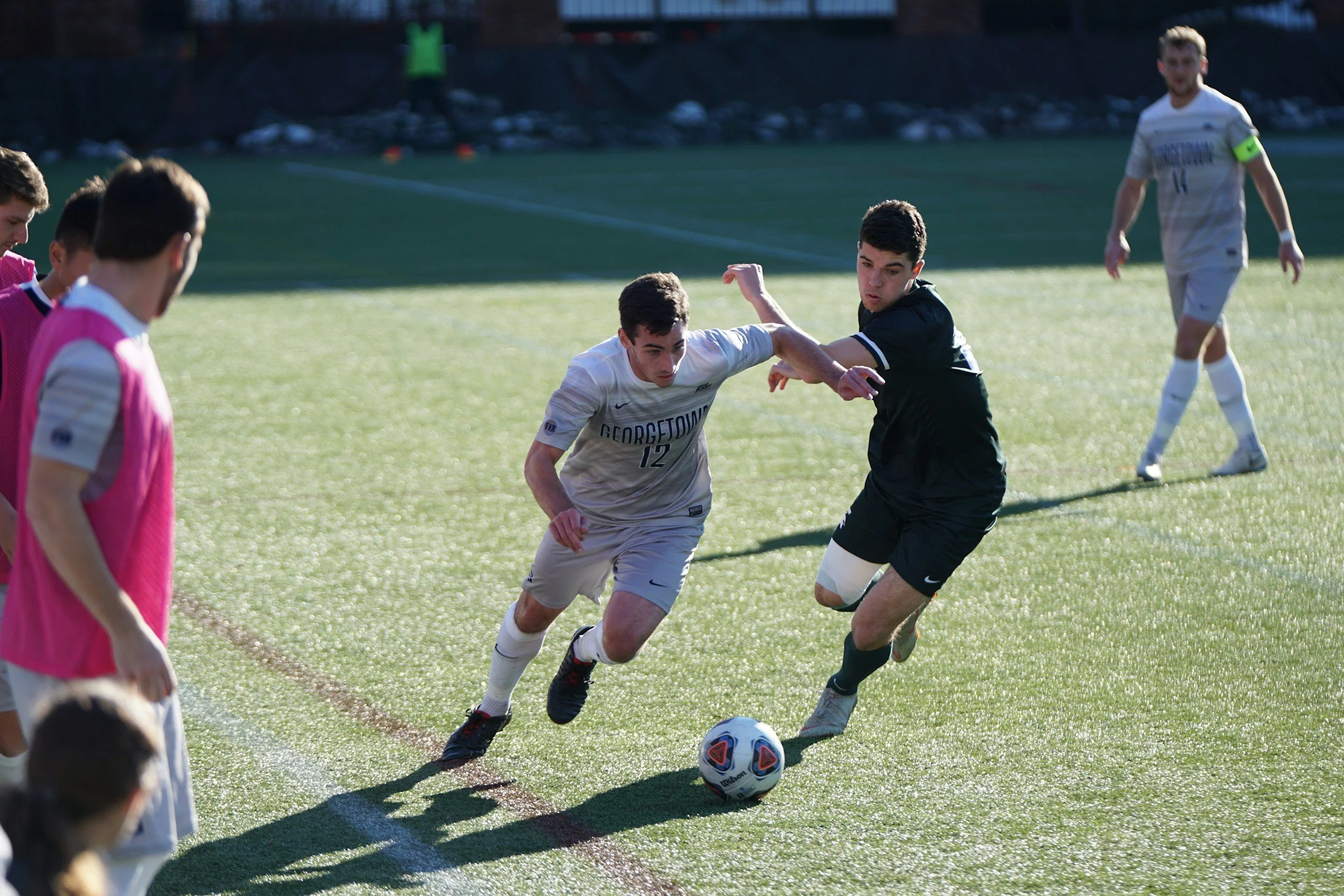
To be a Tier One soccer player, you have to be able to move in 360 degrees without your body feeling like it's "catching" or "pinching." Most 16-year-old players think they have "tight hamstrings," but the reality is usually locked hips. In soccer, if your hips can't rotate, your knees and lower back have to do the extra work—and that’s exactly how seasons end early.
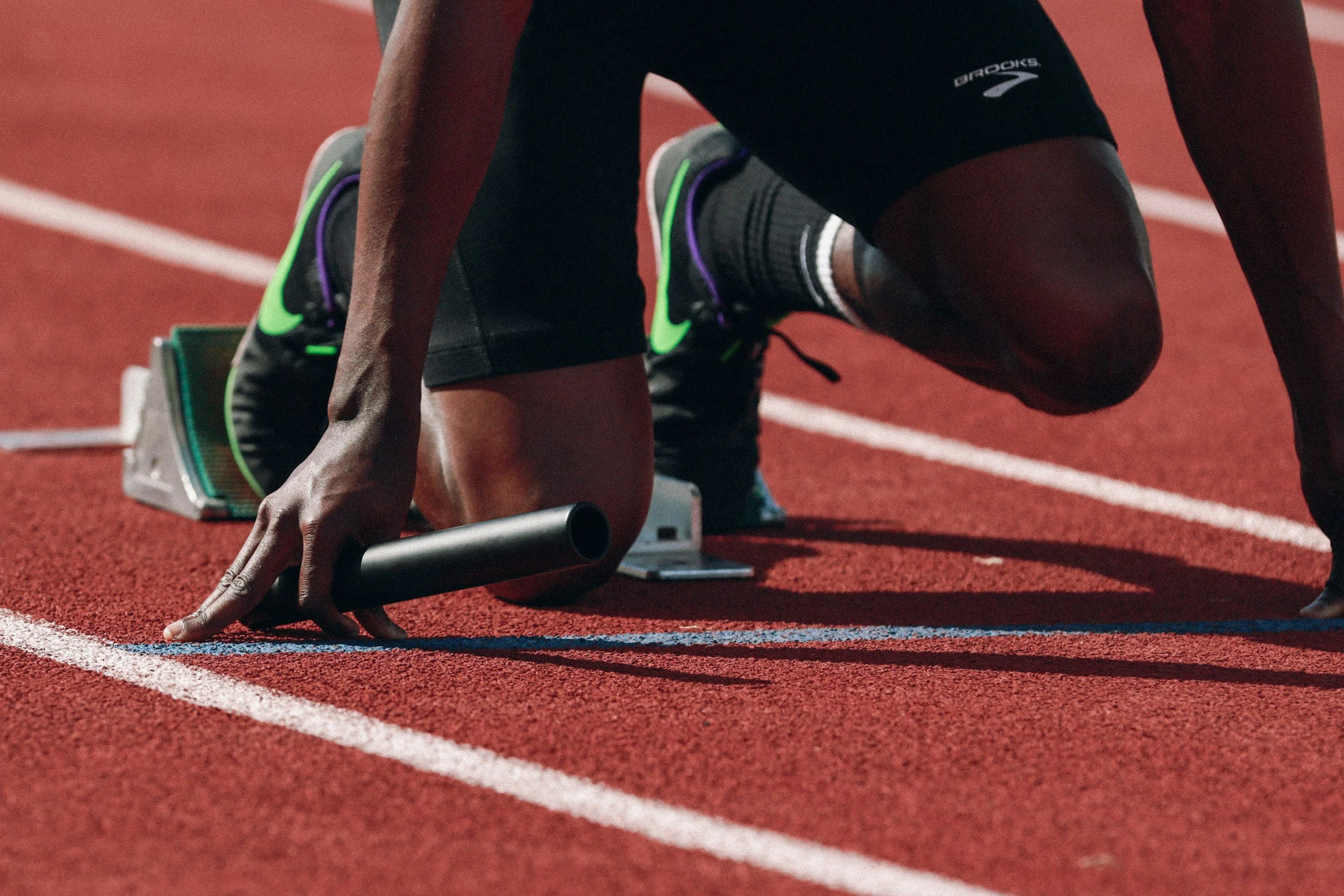
Want free elite athlete resources?
Join the Alta Pursuit Membership and get:
✅ Downloadable worksheets
✅ Athlete performance planners
✅ Elite Coaching Advice
The Physics: Hip Separation
Striking a ball at 70+ MPH or making a sudden 180-degree cut requires Hip Separation. This is the ability of your pelvis to stay stable and facing forward while your leg moves through a massive range of motion behind or beside you.
If your hip flexors are too tight, your pelvis "tips" forward. To compensate so you can still swing your leg back, your lower back has to arch aggressively. This "leak" kills your power and is the #1 cause of chronic lower back pain in high school soccer. Tier One athletes keep a "quiet" upper body while their legs move independently through huge arcs.
Case Study: Zlatan Ibrahimović
Zlatan is the king of "impossible" goals—overhead kicks, mid-air volleys, and reaching for balls 6 feet in the air. He credits this to his Taekwondo background. Because he has elite range in his adductors (inner thighs) and glutes, he can reach balls that other players can't even touch.
More importantly, because he has the strength to control those ranges, he can deliver massive force from awkward positions. He doesn't just have "long" muscles; he has high-tension springs that allow him to strike a volley with full power while his leg is at head-height.
The Technical Concept: The Groin Trap
Most soccer players are "Quad Dominant." They use the front of their legs for everything, which makes their hip flexors and adductors work overtime. This creates the "Groin Trap," where your inner thigh tries to stabilize your whole body during a cut because your glutes are "asleep." This leads to sports hernias and constant groin pulls. We use mobility to "shut off" the tight adductors and "wake up" the glutes so you can pivot without the "pinch."
The 10-Minute "Fluidity" Warm-Up
| Time | Task | Objective | The "Why" (Student Focus) |
|---|---|---|---|
| 0-2 min | Quadruped Fire Hydrants | Glute Medius | Fires up the stabilizers that protect your ACL during sharp 1v1 cuts. |
| 2-4 min | Cossack Squats (Lateral Lunge) | Adductors | Opens up your 1v1 defensive range and prevents common "Groin Trap" pulls. |
| 4-6 min | Scorpion Kicks (Prone) | Hip/Low Back | Increases the "separation" needed to keep your torso stable during high-velocity shots. |
| 6-8 min | Dynamic Glute Bridges | Glutes & Hips | Turns on your "power engine" while stretching the "brakes" (hip flexors). |
| 8-10 min | Linear to Lateral Bounds | Coordination | Teaches your brain to use your new range of motion in a game-like, explosive cut. |
Tier One Tip: If you feel a "pinch" in the front of your hip during deep lunges, don't just push through it. Use a resistance band for a "joint distraction" (pulling the hip bone back in the socket) to create space before you hit the pitch.
ELITE ATHLETE COACHING
〰️
ELITE ATHLETE COACHING 〰️
Your "Tier One" Athlete Membership is the competitive edge you’ve been looking for. Get immediate access to exclusive tools and resources designed to sharpen your mindset and fast-track your path to Tier One Status in sports and in life. It's time to build the proof.