

Why Strong Hands are the Secret to Winning the Game
Your hands are the final point of contact in almost every sport. If your grip is weak, your 400lb deadlift strength is useless because you can't hold onto the opponent, the ball, or the stick. This guide breaks down 'Crush vs. Support' strength and explains how to turn your hands into anchors that scouts can't break.

The Concussion Shield: Why Neck Strength is Your Best Insurance Policy
You train your quads for speed and your back for power, but are you training your neck for safety? Research shows that for every pound of neck strength you gain, you reduce your concussion risk by 5%. This guide breaks down the science of 'Head Displacement' and teaches you how to build the armor needed to stay on the field after a big hit.

The 10-Minute Morning Routine: Booting Up Your Biological OS
Most 16-year-olds start their day by scrolling their phone in a dark room, effectively 'glitching' their internal clock before their feet even hit the floor. Tier One athletes use a 10-minute morning protocol to anchor their circadian rhythm and trigger a natural hormonal peak. This guide breaks down the three biological 'Switches' you need to flip to wake up your brain and prime your engine for the day.

How to Stop Burning Your Battery Before Kickoff
That 'jitters' feeling in your stomach before a big game isn't just nerves—it's a biological energy leak. If you spend two hours in 'High Alert' mode before the whistle blows, you'll be gassed by the second quarter. This guide teaches you how to manage your Sympathetic Nervous System so you can save your 'Nitro' for when the game is actually on the line.

Turning Your Feet into Steel Springs for Max Velocity
If your ankles are 'mushy' when you hit the ground, you are leaking energy like a flat tire. The fastest athletes in the world don't have the biggest muscles; they have the stiffest springs. This guide breaks down the science of Elastic Recoil and teaches you how to stop 'sinking' into the turf so you can bounce off it with elite power.

Recruiting Cheat Code: Why LinkedIn is Your New Secret Weapon
Most 16-year-old athletes think LinkedIn is for old people in suits. They are wrong. While your competition is posting highlight reels on Instagram hoping to be noticed, Tier One athletes are using LinkedIn to connect directly with university alumni, donors, and coaching staff. This guide explains how to build a 'Digital Resume' that puts you on the radar of the people who actually make the decisions.

Safe & Effective Supplementation for the Elite Teen
The supplement industry is a billion-dollar marketing machine designed to sell you shortcuts. For a 16-year-old athlete, 95% of supplements are either useless or a biological power leak. This premium guide cuts through the hype to provide the 'Big 3'—the only supplements with 30+ years of safety data—and explains how to avoid the 'Contamination Trap'.

Rotational Power: Mastering the "Torso Slingshot"
In rotational sports, power isn't a strength contest—it's a whip. Elite QBs, pitchers, and strikers don't use their arms to generate speed; they steal energy from the ground and slingshot it through their core. This premium guide breaks down the biological 'X' in your torso that allows you to launch 50-yard bombs and 90mph strikes without blowing out your shoulder.

Why "RICE" is Dead and "POLICE" is the New Pro Standard
For decades, we were told to 'Rest and Ice.' We now know that total rest actually slows down tissue repair. This guide introduces the 'POLICE' protocol—the modern standard for managing sprains and strains—designed to keep your 'Armor' functional while your body heals.

Why Nose Breathing is the New Performance Frontier
You breathe 20,000 times a day, but if you’re doing it through your mouth, you’re leaving power on the table. This guide breaks down the biology of Nitric Oxide and explains why elite athletes are taping their mouths shut to increase their CO2 tolerance and aerobic capacity.

The "Secret Weapon" Foods That Fuel Elite Performers
If you’re only eating for macros, you’re missing the 'Micro-Edge.' Beyond protein and carbs, there is a category of functional foods that act like bio-hacks for your blood, muscles, and nervous system. This guide explores the unlikely energy sources—from beet juice to pickles—that the world's best athletes use to gain a tactical advantage.

Managing the Nutrition Gap At School
For a student-athlete, the school day is an 7-hour metabolic hurdle. If you eat like a 'normal' student at noon, you’ll perform like an average athlete at 4:00 PM. This guide breaks down 'Nutrient Spacing' and explains how to manage your blood sugar between classes to ensure you arrive at practice with a full tank and a sharp brain.
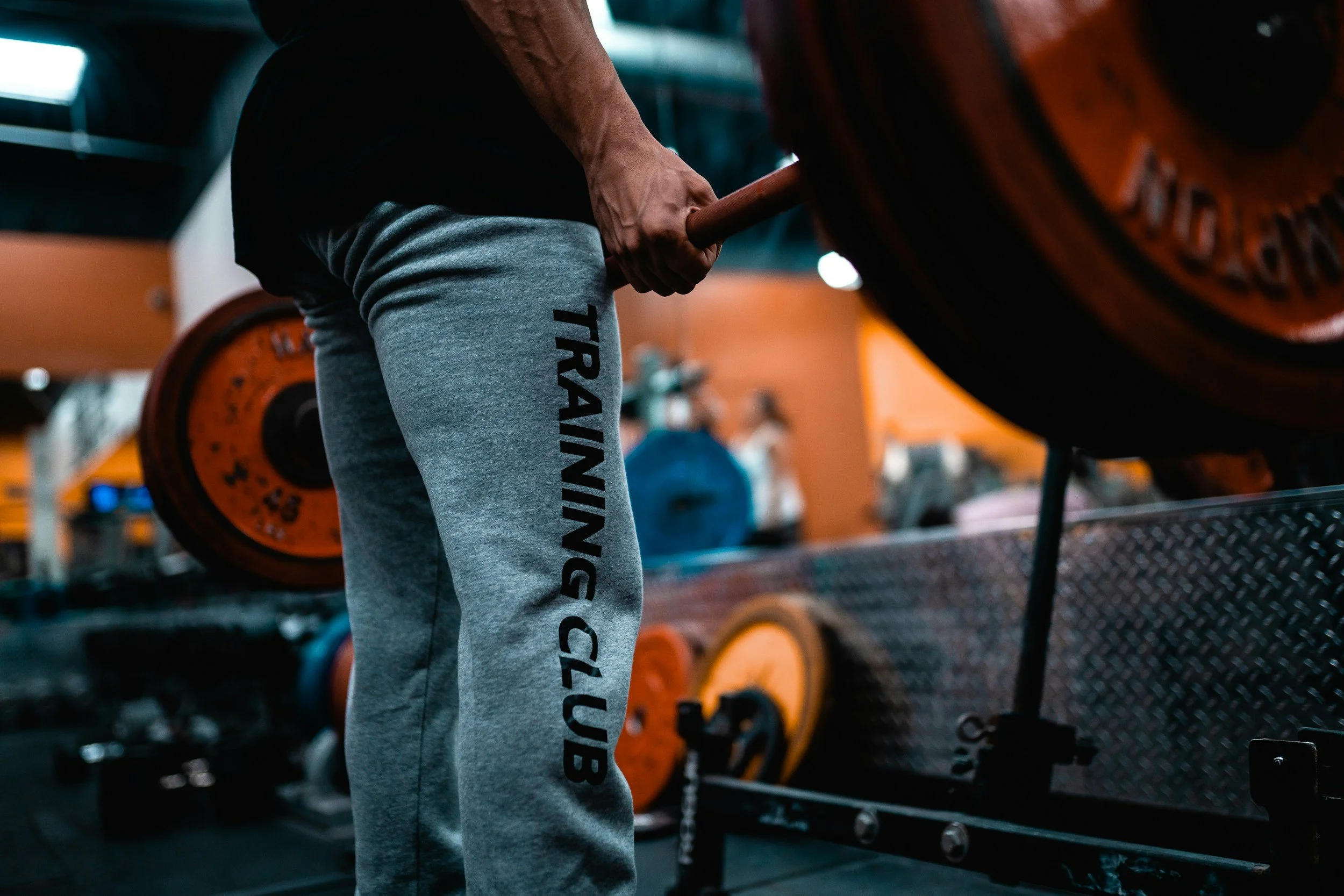
10-Minute Weightroom Warmup for Max Strength
The warmup isn't a chore; it's a technical requirement. Putting a 300lb load on a 'cold' spine is a recipe for disaster. This 10-minute RAMP protocol is designed to lubricate your joints, ignite your CNS, and build the total-body bracing needed for a 'Tier One' lifting session.
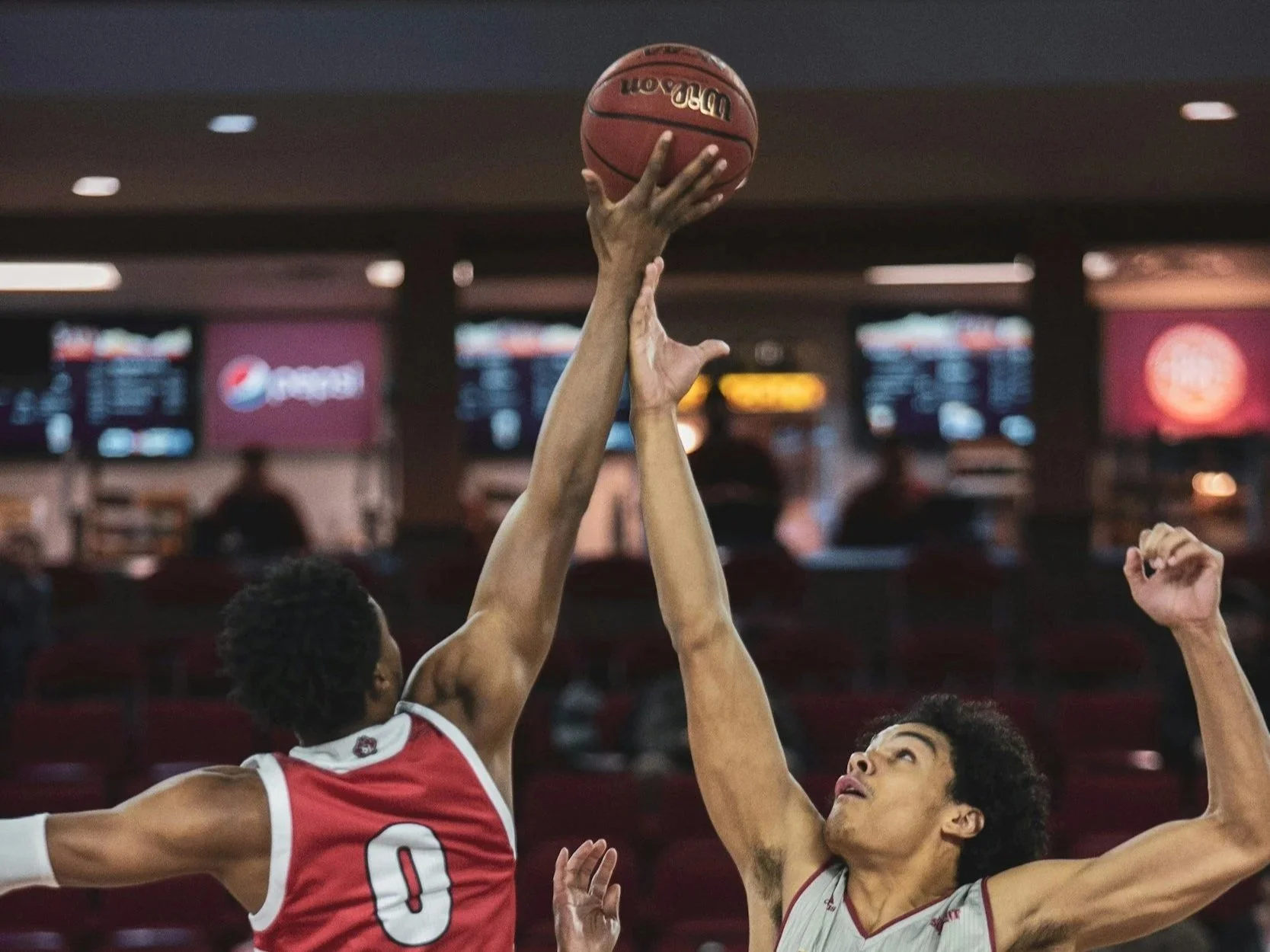
10-Minute Basketball Warmup for Vertical Explosion
The vertical leap starts in the ankles, not the quads. To own the rim and stay 'locked' on defense, you need a warmup that primes your launchpad and wakes up your lateral stabilizers. This 10-minute RAMP protocol ensures you're ready for takeoff and 360-degree reactive play.

10-Minute Football Warmup for Explosive Get-Offs
Football is won in the first two steps. Whether you're in the trenches or split out wide, your ability to move from a static stance to 100% velocity is the difference between a sack and a touchdown. This 10-minute RAMP protocol primes your 'Power V' and prepares your neck and shoulders for high-impact contact.

10-Minute Soccer Warmup for Explosive 1 v 1s
Stop wasting your pre-game energy on static stretching. To dominate the pitch, you need a warmup that unlocks your hips, fires up your glutes, and primes your nervous system for 360-degree movement. This 10-minute RAMP protocol is your mobile-first blueprint for elite performance and injury prevention.

Using Heart Rate Variability to Program Your Progress
Your heart rate tells you how hard you worked; your HRV tells you how well you recovered. This guide explores the 'Language of the Nervous System' and teaches you how to use Heart Rate Variability (HRV) to decide when to push for a Personal Best and when to take an 'Active Recovery' day.

Cold Plunge vs. Sauna for Muscle Growth
When the game is on the line, your brain is your greatest asset or your worst enemy. Most athletes 'choke' because they focus on the consequences of missing; Tier One athletes use 'Clutch Mantras' to lock their focus on the task. This guide breaks down the science of instructional self-talk and provides the exact phrases used by pros to stay calm when the lights are brightest.
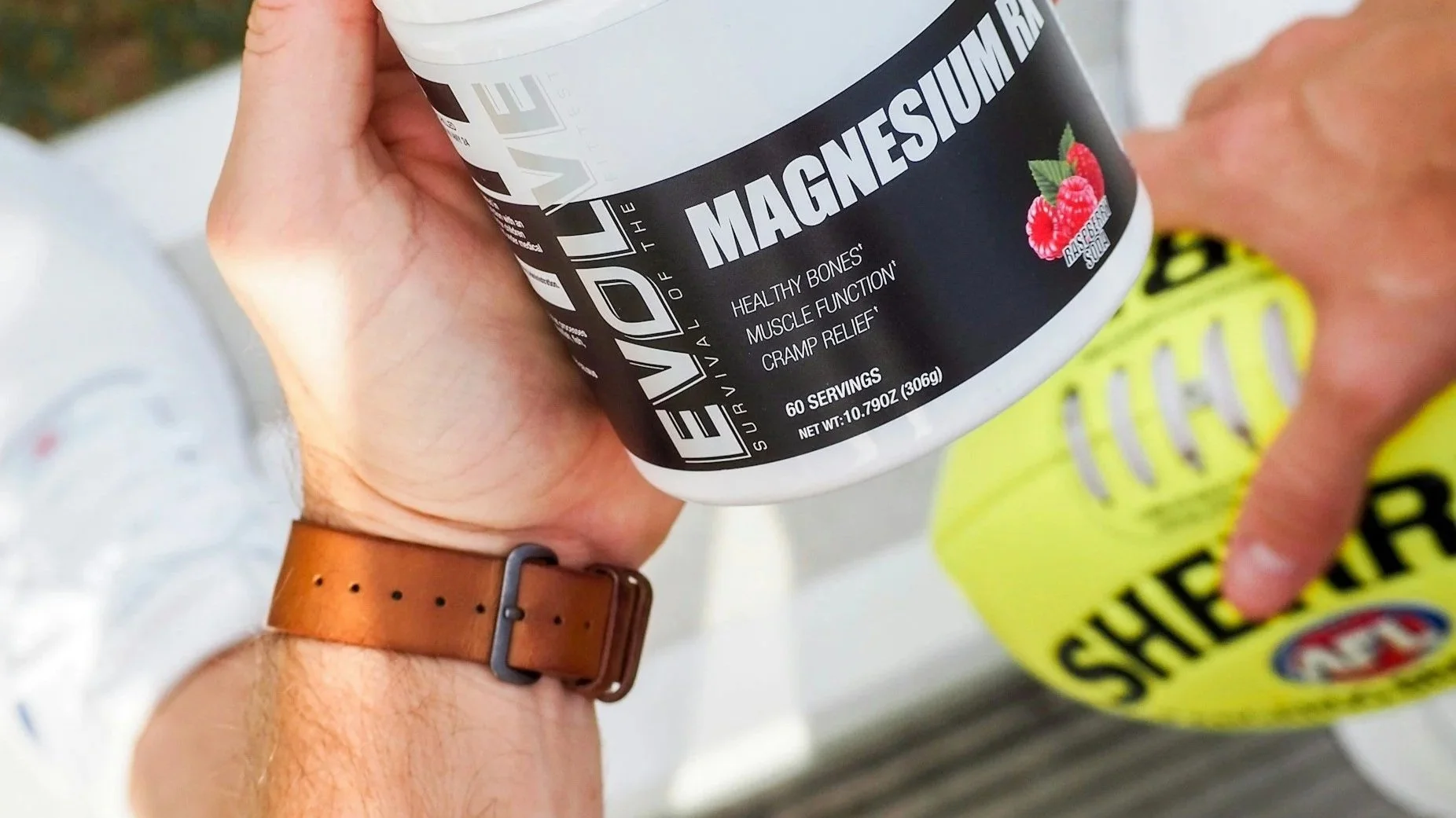
Glycinate vs. Citrate for Athletic Recovery
You’re tracking your macros and your miles, but are you tracking your minerals? Magnesium is the 'master regulator' of over 300 biochemical reactions in your body. This guide breaks down the science of 'Bioavailability' and explains why the specific form of magnesium you choose determines whether you recover faster or just end up in the bathroom.

Tactical Self-Talk for High-Pressure Moments
When the game is on the line, your brain is your greatest asset or your worst enemy. Most athletes 'choke' because they focus on the consequences of missing; Tier One athletes use 'Clutch Mantras' to lock their focus on the task. This guide breaks down the science of instructional self-talk and provides the exact phrases used by pros to stay calm when the lights are brightest.