Using Heart Rate Variability to Program Your Progress
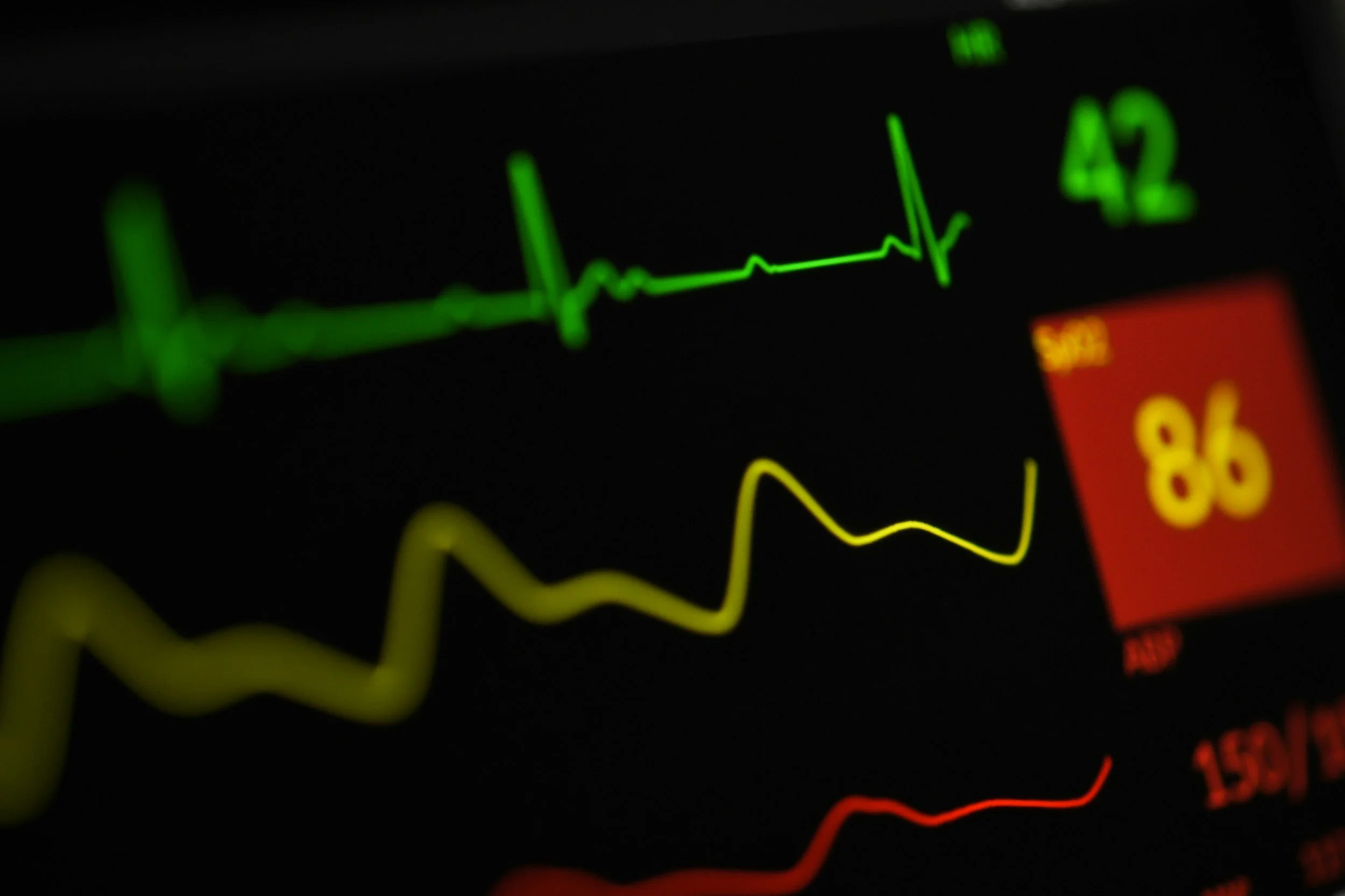
As a strength coach, I’ve realized that the hardest working athletes are often the ones who plateau first. Why? Because they don't know when their "Battery" is low. Heart Rate Variability (HRV) is the most insightful metric we have to measure the health of your Autonomic Nervous System.
“Don’t guess how you feel. Measure how you recovered. HRV is the ‘Internal Dashboard’ of the Tier One athlete.”

Want free elite athlete resources?
Join the Alta Pursuit Membership and get:
✅ Downloadable worksheets
✅ Athlete performance planners
✅ Elite Coaching Advice
1. The Insight: The "Engine Idle" Analogy
Think of your heart like a car engine.
Heart Rate (BPM) is the speedometer; it tells you how fast the car is going.
HRV is the "smoothness" of the engine at idle.
Contrary to what you might think, a healthy heart doesn't beat like a perfect metronome. It should be slightly "erratic." If your heart beats exactly every 1.00 seconds, your nervous system is "locked up" and stressed. If it beats at 0.95s, then 1.05s, then 0.98s, that is High HRV. It means your body is resilient and ready to respond to whatever stressor you throw at it next.
2. The Science: The Vagal Tone
HRV is a direct measurement of your Vagal Tone—the strength of your Vagus Nerve. This nerve is the "Superhighway" of the Parasympathetic (Rest/Digest) system.
High Vagal Tone (High HRV): Your body is in a state of repair. You have a high "Stress Budget."
Low Vagal Tone (Low HRV): Your body is stuck in "Fight or Flight." You are spending more energy than you are making.
3. HRV "Hijackers": Why Your Score Crashes
Elite athletes understand that Stress is Systemic. Your nervous system can't tell the difference between a heavy squat and a heavy chemistry exam.
The Identity Trap: Arguing with a coach or teammate will crash your HRV as much as a 10-mile run.
The Blue Light Leak: Scrolling TikTok at 11:00 PM suppresses melatonin and keeps your HRV low, even if you "sleep" for 8 hours.
Dehydration: Even 1% dehydration makes your heart work harder, lowering your HRV and your "Readiness" for tomorrow.
4. The HRV Readiness Checklist
| HRV Trend | Training Action | Recovery Strategy |
|---|---|---|
| Green (Peak) | Max Effort: Hunt for a PR. Hit max velocity sprints. | Standard 4th Meal; maintain routine. |
| Yellow (Stagnant) | Technical Load: High volume, moderate intensity. | 20-min Nap; focus on "The Tissue Reset." |
| Red (Crashed) | Active Recovery: Mobility, walking, or total rest. | Extra Magnesium; 9:30 PM Digital Sunset. |
Tier One Tip: Do not react to a single day’s score. Look at your 7-day rolling average. If your average is dropping while your training volume is increasing, you are heading for a "System Crash" (injury or illness). Use this data to have a professional conversation with your coach about a "Deload" week.
ELITE ATHLETE COACHING
〰️
ELITE ATHLETE COACHING 〰️
Your "Tier One" Athlete Membership is the competitive edge you’ve been looking for. Get immediate access to exclusive tools and resources designed to sharpen your mindset and fast-track your path to Tier One Status in sports and in life. It's time to build the proof.