Why Strong Hands are the Secret to Winning the Game
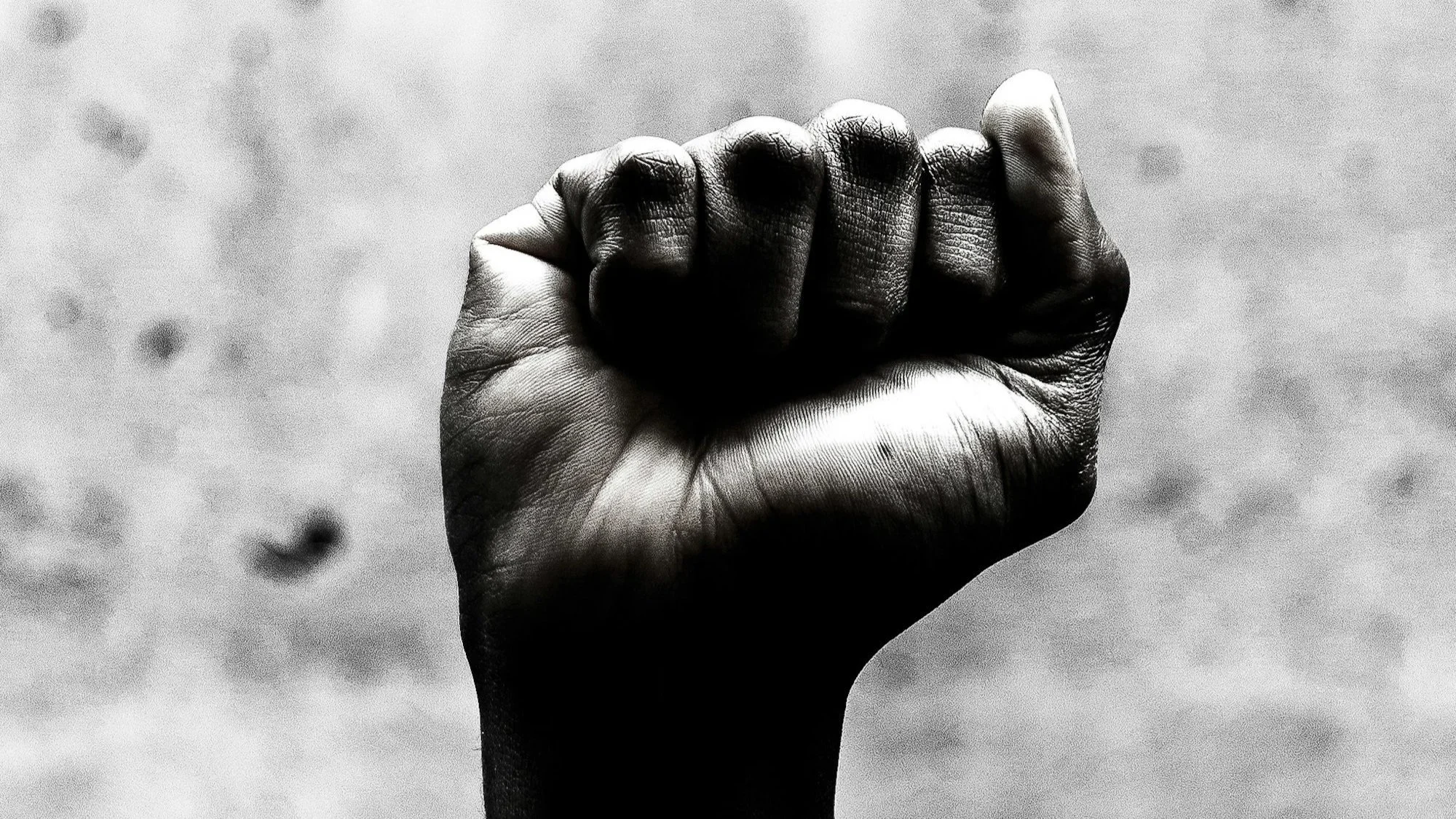
As a strength coach, I see it every Friday night: a player gets his hands on a jersey but the runner breaks free. A basketball player gets two hands on a rebound but gets it "ripped" away. A hockey player loses his stick in a battle along the boards. In every case, the athlete was "strong" enough to win, but their Grip was the power leak.
Your hands are the "Anchor" of your performance. They are the tools you use to communicate your strength to the world. If your grip is "mushy"—just like we discussed with Ankle Stiffness in the Canvas—the energy your legs produce never makes it to the target. This article is your manual for building a handshake that commands respect and a grip that never lets go.
“Grip strength is a proxy for total body power. If you have the handshake of a pro, you usually have the central nervous system of a pro. Don’t let your talent slip through your fingers.”
Want free elite athlete resources?
Join the Alta Pursuit Membership and get:
✅ Downloadable worksheets
✅ Athlete performance planners
✅ Elite Coaching Advice
1. The Physics: The "End-Chain" Power Leak
In biomechanics, we look at the Kinetic Chain. Power starts in the legs, moves through the core, and ends in the hands.
The Leak: If your forearms and hands are the weakest link in the chain, they act like a "fuse." They will "blow" (let go) long before your quads or back give up.
The Result: You might be the strongest kid in the gym, but on the field, you play "weak" because you can't apply that strength to another person or object.
2. The Three Types of Tier One Grip
To be elite, you have to train all three "Gears" of the hand:
Crush Grip: The ability to squeeze something (e.g., a handshake or a tackle).
Support Grip: The ability to hold a heavy load for a long time (e.g., carrying a ball or holding a hockey stick).
Pinch Grip: The strength of your fingers and thumbs (e.g., grabbing a jersey or palming a basketball).
3. Case Study: NHL Enforcers and NFL Linemen
Watch a pro lineman's hands during a "block." The moment they strike the breastplate (Article 51), their hands "lock" like vice-grips. They aren't just pushing; they are controlling the opponent's entire frame through their fingers. In the NHL, a player’s "Heavy Stick" is often just a result of elite forearm and grip strength—it makes them impossible to "lift" or dispossess in a corner battle.
4. The Tier One "Hand Anchor" Protocol
Add 5 minutes of this to the end of every workout.
| Exercise | Type | The Technical Cue |
|---|---|---|
| Farmer's Walks | Support | Chest out, shoulders "packed." Don't let the weights bounce. |
| Plate Pinches | Pinch | Smooth 25lb plates together. Hold for 30-45 seconds. |
| Towel Pull-Ups | Crush | Drape a towel over the bar. Grip the cloth, not the metal. |
| Rice Bucket Buries | Multi | Open and close your hand inside a bucket of raw rice for 60 seconds. |
5. The "Handshake" Checklist
The Callus Check: Are your hands "tough" or "soft"? (Soft hands = you aren't handling enough heavy iron).
The Fingertip Test: Can you hang from a pull-up bar using only your fingers for 30 seconds?
The "Stick" Feel: In hockey or lacrosse, can you feel the vibrations of the ball/puck through your gloves, or are you "death-gripping" it?
Tier One Tip: Stop using "lifting straps" for every set in the gym. If you rely on straps to hold the bar during a deadlift, you are effectively "muting" your grip training. Save the straps for your absolute max sets, and let your hands build the Armor they need to win on game day.
ELITE ATHLETE COACHING
〰️
ELITE ATHLETE COACHING 〰️
Your "Tier One" Athlete Membership is the competitive edge you’ve been looking for. Get immediate access to exclusive tools and resources designed to sharpen your mindset and fast-track your path to Tier One Status in sports and in life. It's time to build the proof.