Glycinate vs. Citrate for Athletic Recovery
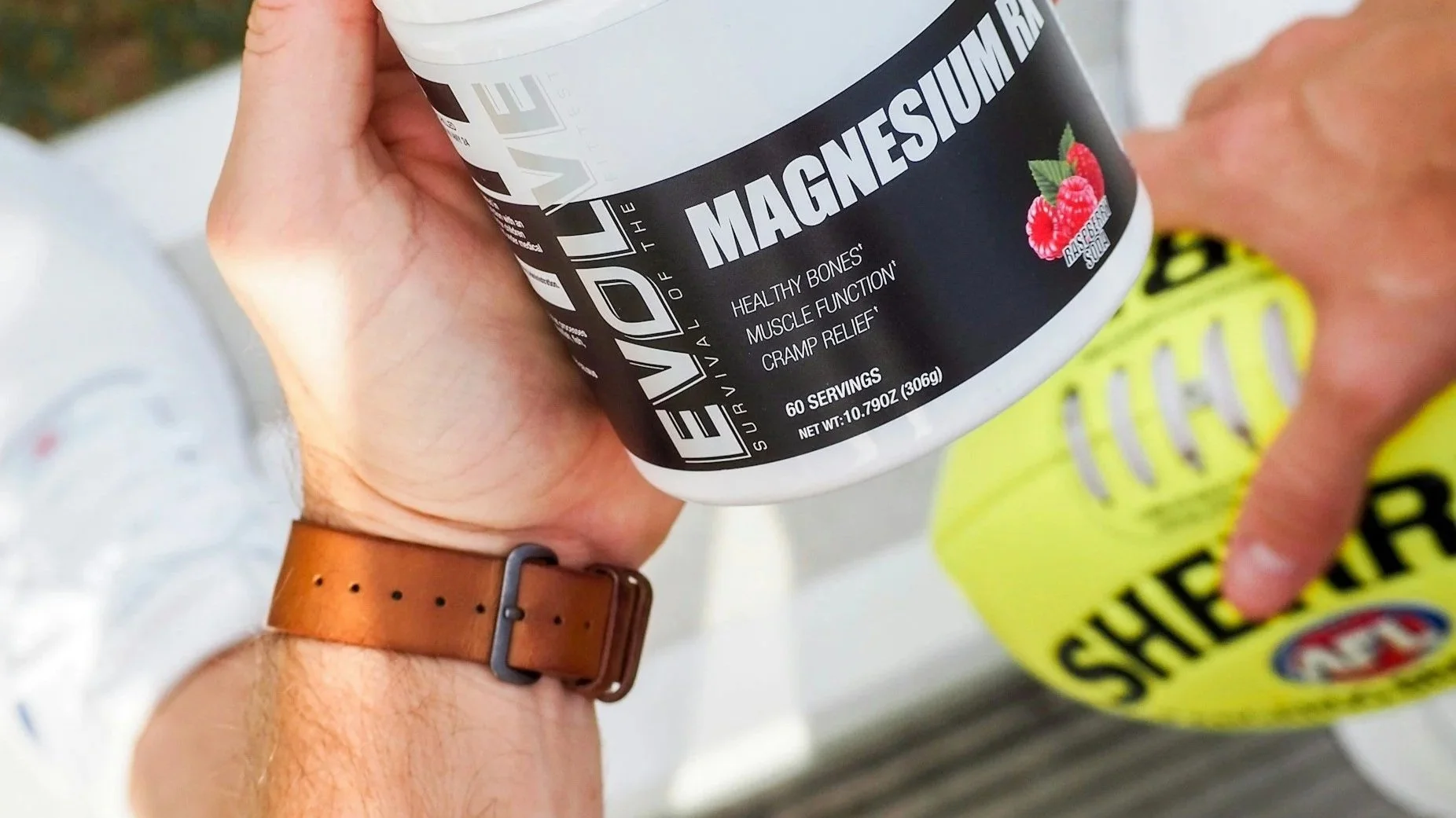
As a strength coach, I see athletes struggling with "twitchy" muscles, poor sleep, and high anxiety. Usually, the first thing I check is their magnesium intake. For a 16-year-old athlete, magnesium is the key to shifting the body from "Fight or Flight" (Sympathetic) to "Rest and Digest" (Parasympathetic).
“If you are a ‘salty sweater’ and a high-intensity trainer, you are likely magnesium deficient. You aren’t ‘overtrained’; you are biologically depleted.”

Want free elite athlete resources?
Join the Alta Pursuit Membership and get:
✅ Downloadable worksheets
✅ Athlete performance planners
✅ Elite Coaching Advice
1. The Biology: The Mineral Leak
Every time you contract a muscle, you use calcium. Every time you relax a muscle, you use magnesium. If your magnesium levels are low, your muscles stay "semi-contracted," leading to that tight, restless feeling.
During high-intensity training, you lose magnesium through two pathways: sweat and rapid metabolic turnover. When you are deficient, your nervous system loses its "mute button." You stay "hyped" long after practice ends, which ruins your Sleep Architecture and increases your risk of soft-tissue injuries.
2. The Technical Comparison: Why the "Carrier" Matters
Magnesium is a highly reactive metal; it needs a "carrier" molecule to get into your bloodstream. Think of the carrier as the "delivery truck."
Magnesium Citrate (The Osmotic Key): This is magnesium bound to citric acid. Citrate is "osmotic," meaning it pulls water into your intestines. While it’s cheap and decent for general health, it often causes a "laxative effect" before you can absorb enough to help your muscles. It’s like a delivery truck that gets stuck in traffic—it never reaches the destination.
Magnesium Glycinate (The Brain-Sleeper): This is magnesium bound to Glycine, an amino acid that acts as an inhibitory neurotransmitter. Glycinate is the "Tier One" standard because it easily crosses the Blood-Brain Barrier. It doesn't just relax your quads; it relaxes your mind. It is the most bioavailable form, meaning the "delivery truck" has a VIP pass straight to your cells.
3. Tactical Insight: Boosting "Sleep Architecture"
Magnesium glycinate doesn't work like a sleeping pill; it doesn't "knock you out." Instead, it improves the efficiency of your sleep. It helps you stay in Deep Sleep (REM) longer, which is the exact phase where your body releases the maximum amount of Human Growth Hormone (HGH).
By taking 200-400mg of Glycinate 30 minutes before bed, you aren't just sleeping—you are ensuring your "4th Meal" is actually being used to build muscle while you rest.
4. The Magnesium Supplementation Protocol
| Feature | Magnesium Citrate | Magnesium Glycinate |
|---|---|---|
| Primary Use | Digestion / Occasional Constipation | Recovery / Deep Sleep / Anxiety |
| Absorption | Moderate (Osmotic) | High (Chelated) |
| CNS Impact | Low | High (Crosses Blood-Brain Barrier) |
| Best Time | Daytime with food | 30-60 mins before sleep |
| Tier One Rating | 🥈 (The Budget Option) | 🥇 (The Pro Performance Standard) |
Tier One Tip: Beware of Magnesium Oxide. It’s the most common form found in cheap grocery store vitamins. Its absorption rate is roughly 4%. If you see "Oxide" on the label, you are essentially buying an expensive placebo. Demand Glycinate for the "Invisible Edge."
“Don’t just take a supplement; take the right molecule. Glycinate is the professional choice for the athlete who values deep recovery over digestive issues.”
ELITE ATHLETE COACHING
〰️
ELITE ATHLETE COACHING 〰️
Your "Tier One" Athlete Membership is the competitive edge you’ve been looking for. Get immediate access to exclusive tools and resources designed to sharpen your mindset and fast-track your path to Tier One Status in sports and in life. It's time to build the proof.