A Guide to Handling Mistakes for Athletes and Parents
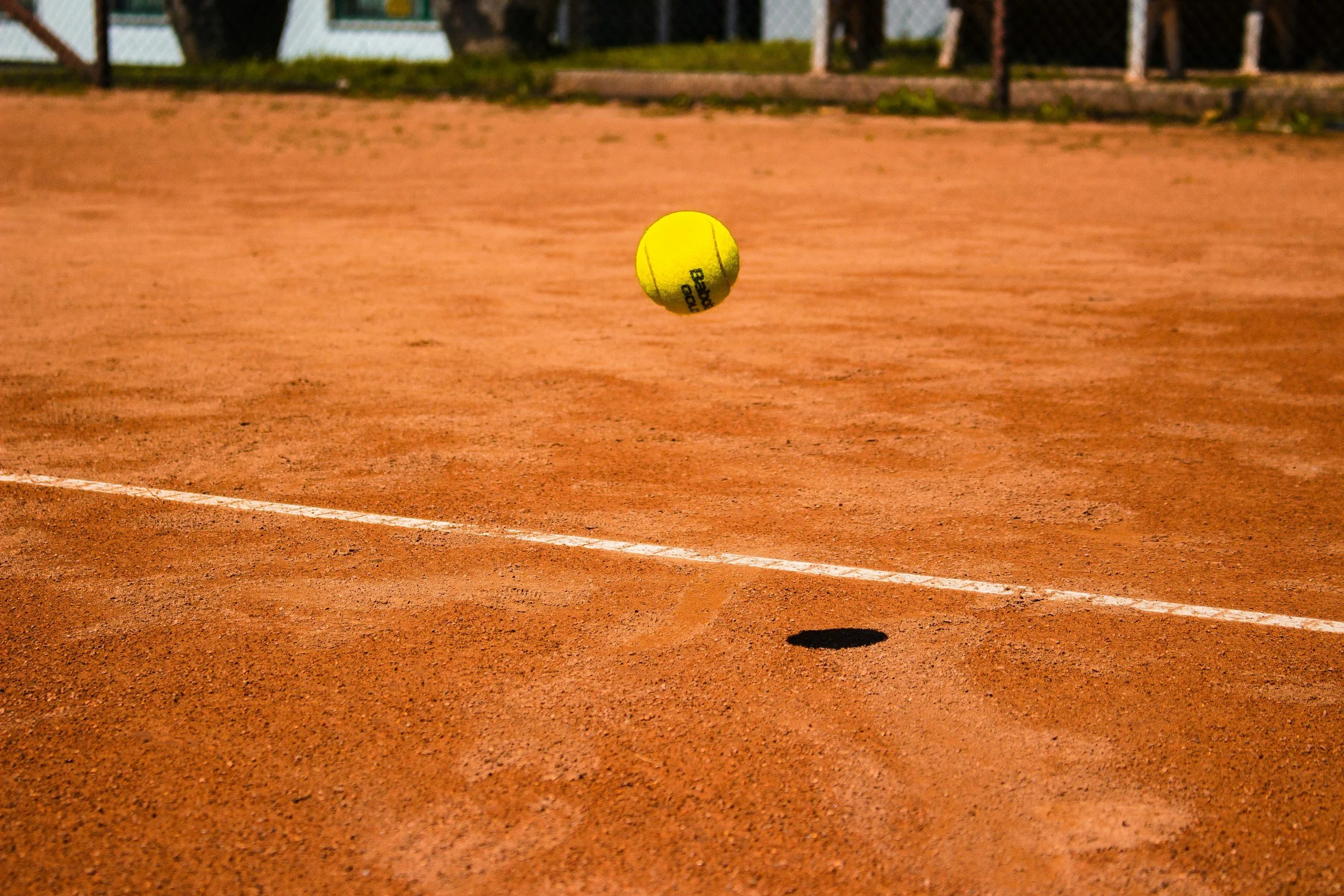
Every athlete misses the shot. Every athlete makes a bad pass. The difference between a player who quits and a player who gets better isn't talent—it’s how they handle those mistakes.
Failure isn't a disaster; it’s just proof that you are trying something hard. Here is a simple guide on how to handle the pressure before, during, and after the game.
1. Before the Game: Setting the Tone
Most nervousness comes from the fear of messing up. We need to replace that fear with excitement.
For the Athlete: Try Something Brave
Don't just set goals to "win" or "play safe." Give yourself permission to make a mistake trying something difficult.
The Goal: Tell yourself, "Today, I’m going to try that difficult pass," or "I’m going to take the shot with my left foot."
The Mindset: If you try it and miss, you didn't fail. You succeeded in being brave.
For the Parent: The "I Love Watching You Play" Rule
Your athlete often fears disappointing you. Before they get out of the car, they need to know you are happy just to be there.
What to Say: Avoid giving last-minute advice like "Remember to shoot!" or "Be aggressive today."
Just Say: "I love watching you play. Go have fun."
Why It Works: This takes the weight of the world off their shoulders. Now they can play freely.

Want more resources like this guide?
Join the Alta Pursuit Membership and get:
✅ Downloadable worksheets
✅ Athlete performance planners
✅ Elite Coaching Advice
2. During the Game: The Reset Button
A mistake happened. The ball is lost. What happens in the next few seconds matters more than the mistake itself.
For the Athlete: Shake It Off: You can’t fix a mistake while the game is still moving. You need a way to quickly move on.
The Trick: Pick a physical action that means "it's over."
Fix your socks.
Clap your hands once.
Tap your thigh.
The Rule: When you do that action, the mistake is gone. You are back to zero. You are allowed to be frustrated for a few seconds, but once you fix your socks, you have to be ready for the next play.
3. After the Game: The Car Ride Home
The car ride home is the most common place where kids decide to quit sports. Emotions are high, and everyone is tired. We need to make this a safe space.
For the Parent: The Cooling Off Period: If the game was a loss or they played poorly, wait. This is not the time for a lesson.
The Strategy: Let your athlete speak first. If they want to sit in silence, let them.
What to Say (If they ask): "I know you're frustrated. Take some time to cool down. We can talk about it tomorrow when you're ready. I'm proud of how hard you tried."
For the Athlete: Find the Lesson (The Next Day): Don't waste a bad game. Use it to get better, but wait until the emotion has faded—usually the next morning.
Ask yourself three simple questions:
What went well? (You have to find one thing—even if it was just your effort).
What went wrong? (Be honest, but don't be mean to yourself).
What can I practice to fix it? (If you lost the ball because of a bad touch, the fix is spending 10 minutes passing against a wall this week).
Together you are building the foundation for a lifetime of growth. If you need help working with your student athlete (👋 parents!), reach out to our coaches for a consultation.
Join the Alta Pursuit Athlete Community today and transform your potential into elite.
ELITE ATHLETE COACHING
〰️
ELITE ATHLETE COACHING 〰️
Your "Tier One" Athlete Membership is the competitive edge you’ve been looking for. Get immediate access to exclusive tools and resources designed to sharpen your mindset and fast-track your path to Tier One Status in sports and in life. It's time to build the proof.