Surviving Osgood-Schlatter and Severs Disease
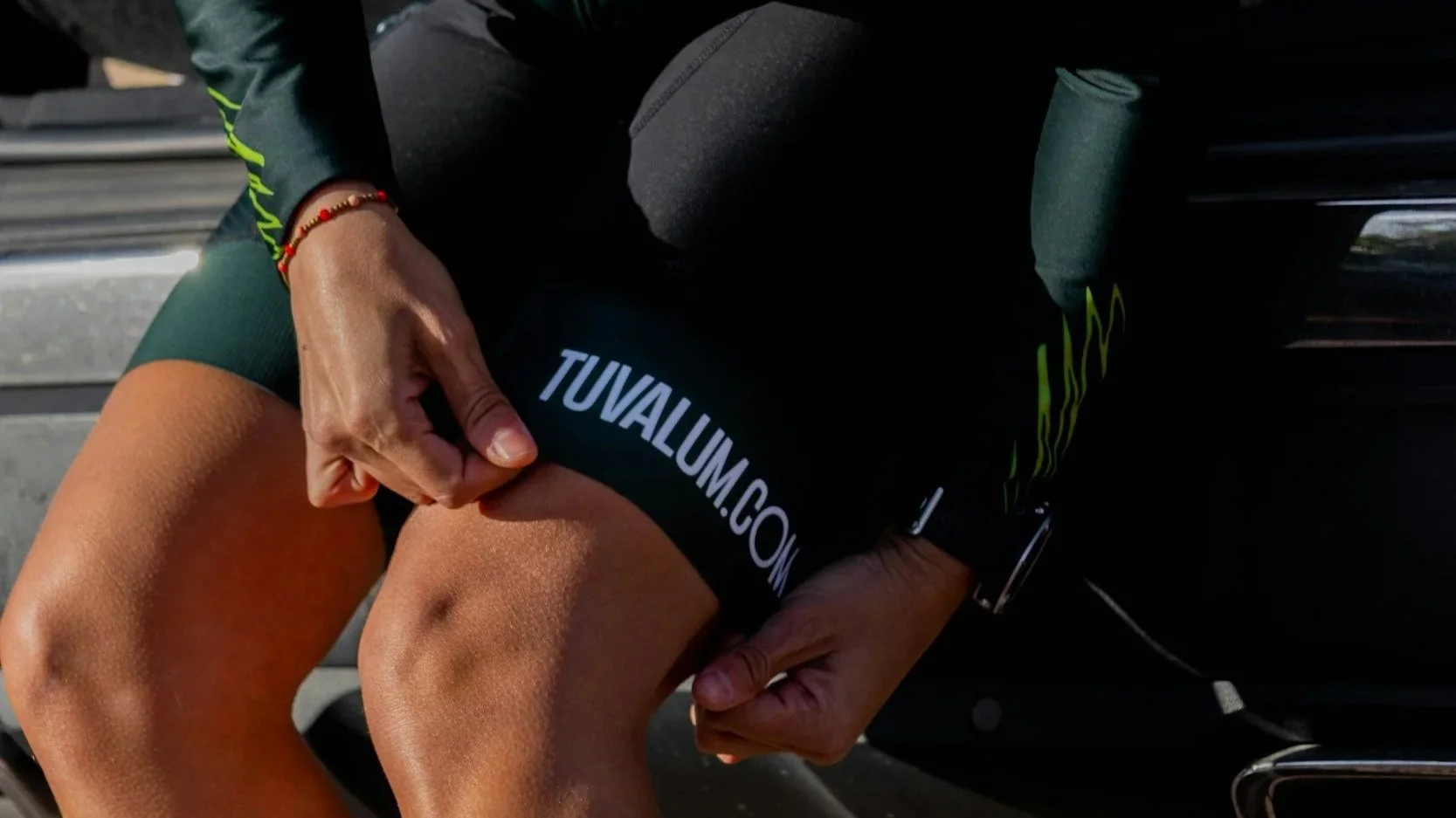
As a competitive athletics coach, I see it every season: a 14-year-old athlete who is hitting their prime, only to be sidelined by agonizing pain in their knees or heels. It’s usually diagnosed as Osgood-Schlatter (knee) or Severs Disease (heel). To a young athlete, it feels like the end of the world. To a scientist, it's a simple case of Apophysitis.
“The growth gap is a temporary biological mismatch. Don’t let a temporary phase of development become a permanent end to your career.”
Want free elite athlete resources?
Join the Alta Pursuit Membership and get:
✅ Downloadable worksheets
✅ Athlete performance planners
✅ Elite Coaching Advice
1. The Biology: The Bone vs. Tendon Race
During a growth spurt, your long bones (like the femur or tibia) grow first. Your muscles and tendons, however, take longer to catch up. They become like a tight rubber band stretched over a sharp corner.
The "pain" occurs at the Apophysis—the spot where the tendon attaches to the growth plate on the bone. Because the bone is growing so fast, it pulls on that attachment point, causing inflammation and, in some cases, a small bony bump. You aren't "weak"; your hardware is simply being upgraded faster than your cables can stretch.
2. Case Study: Tiger Woods
Long before he was a 15-time Major champion, Tiger Woods dealt with severe Osgood-Schlatter disease. During his early teens, his explosive swing generated massive force, but his growing body couldn't handle the tension at the knee.
Instead of pushing through the pain and risking long-term damage, his team adjusted his training to focus on posterior chain flexibility and load management. He learned how to produce power without putting unnecessary stress on the "gap." By the time his growth leveled out, he had the most efficient mechanics in the history of the game.
The Lesson: You don't "play through" the growth gap; you "train around" it.
3. Tactical Insight: Managing the Tension
If you are experiencing Osgood-Schlatter or Severs, the goal is to lower the tension on the attachment point while keeping the athlete on the field.
The Soft Tissue Release: Focus on the "Big Culprits." For knees, it’s the Quads and Rectus Femoris. For heels, it’s the Calves and Soleus. Use a foam roller to "loosen the rubber band."
Isometrics: Instead of heavy jumping, use Isometric Holds (e.g., Wall Sits or Single-Leg Heel Holds). This strengthens the tendon without the "snapping" action that causes pain.
The "Life Load" Audit: If you have a tournament on the weekend, you must cut your "extra" training during the week. The "Growth Gap" has a limited budget for stress.
4. The Tier One "Growth Gap" Management Protocol
| Phase | Task | Focus Area | The "Why" (Student Focus) |
|---|---|---|---|
| Morning | 5-Min Foam Roll (Quads/Calves) | Tension Release | Relieves the "pull" on the growth plate before you start your day. |
| Pre-Game | Static Hip Flexor Stretch (30s) | Pelvic Alignment | Prevents the pelvis from tilting and pulling the quads even tighter. |
| Post-Game | Ice/Compression (15 mins) | Inflammation | Calms the "fire" at the attachment point to speed up recovery for tomorrow. |
| Evening | Magnesium Flakes Bath | Systemic Recovery | Relaxes the nervous system and the high-tension tendons. |
Tier One Tip: If you see a bump forming on your shin (Osgood) or feel a "bruised" heel (Severs), tell your strength coach immediately. Early intervention with the right mobility work can prevent a 2-week flare-up from becoming a 6-month sideline.
ELITE ATHLETE COACHING
〰️
ELITE ATHLETE COACHING 〰️
Your "Tier One" Athlete Membership is the competitive edge you’ve been looking for. Get immediate access to exclusive tools and resources designed to sharpen your mindset and fast-track your path to Tier One Status in sports and in life. It's time to build the proof.