The King of the Gym: Why Every Elite Athlete Needs the Back Squat
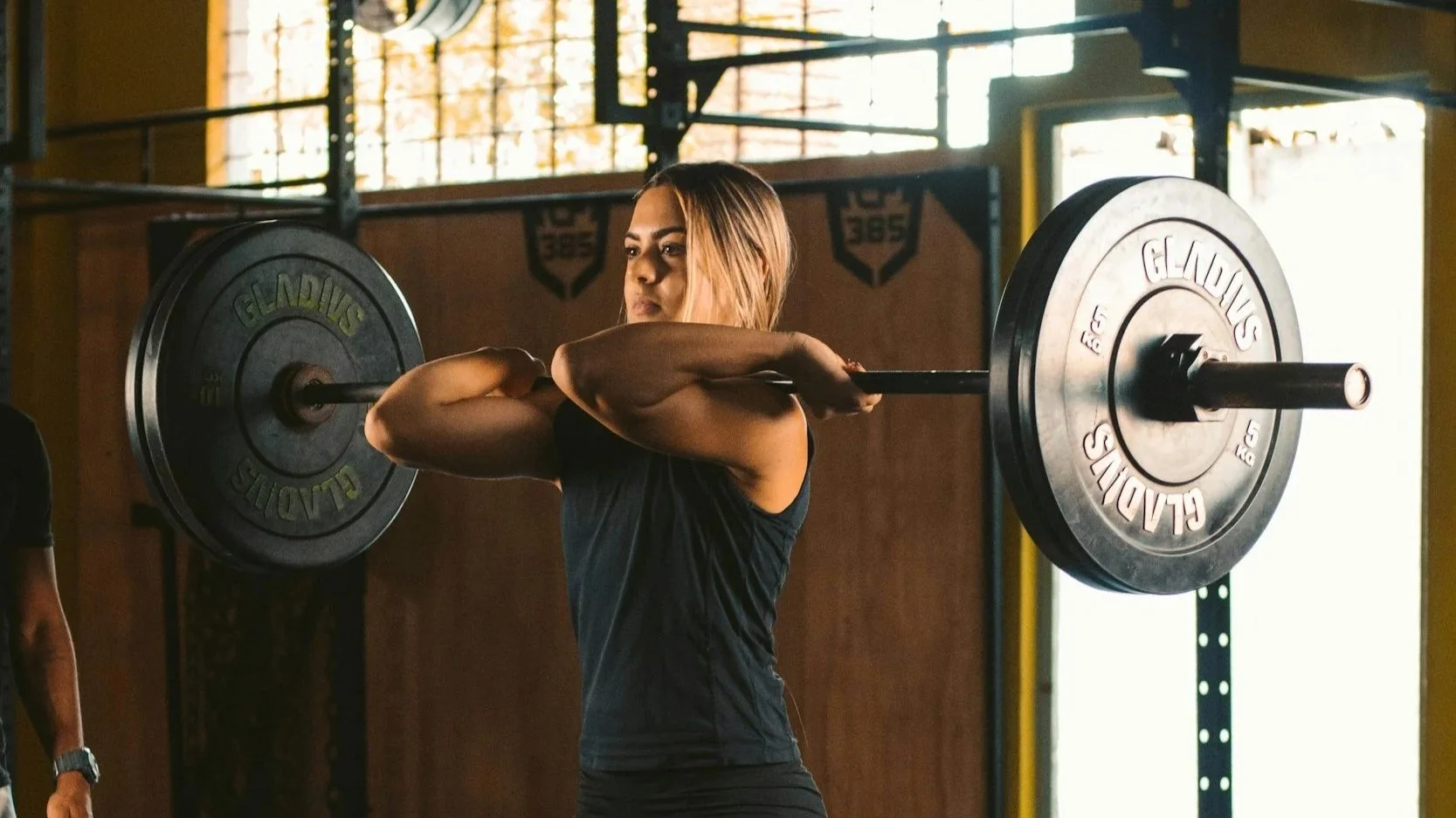
At 16, everyone wants the "flashy" highlights. But behind every explosive dunk or breakaway touchdown is a pair of powerful glutes and quads. As a strength coach, I tell my athletes: "You can't fire a cannon out of a canoe." The Back Squat builds the stable, powerful platform you need to launch your body into space.
Want free elite athlete resources?
Join the Alta Pursuit Membership and get:
✅ Downloadable worksheets
✅ Athlete performance planners
✅ Elite Coaching Advice
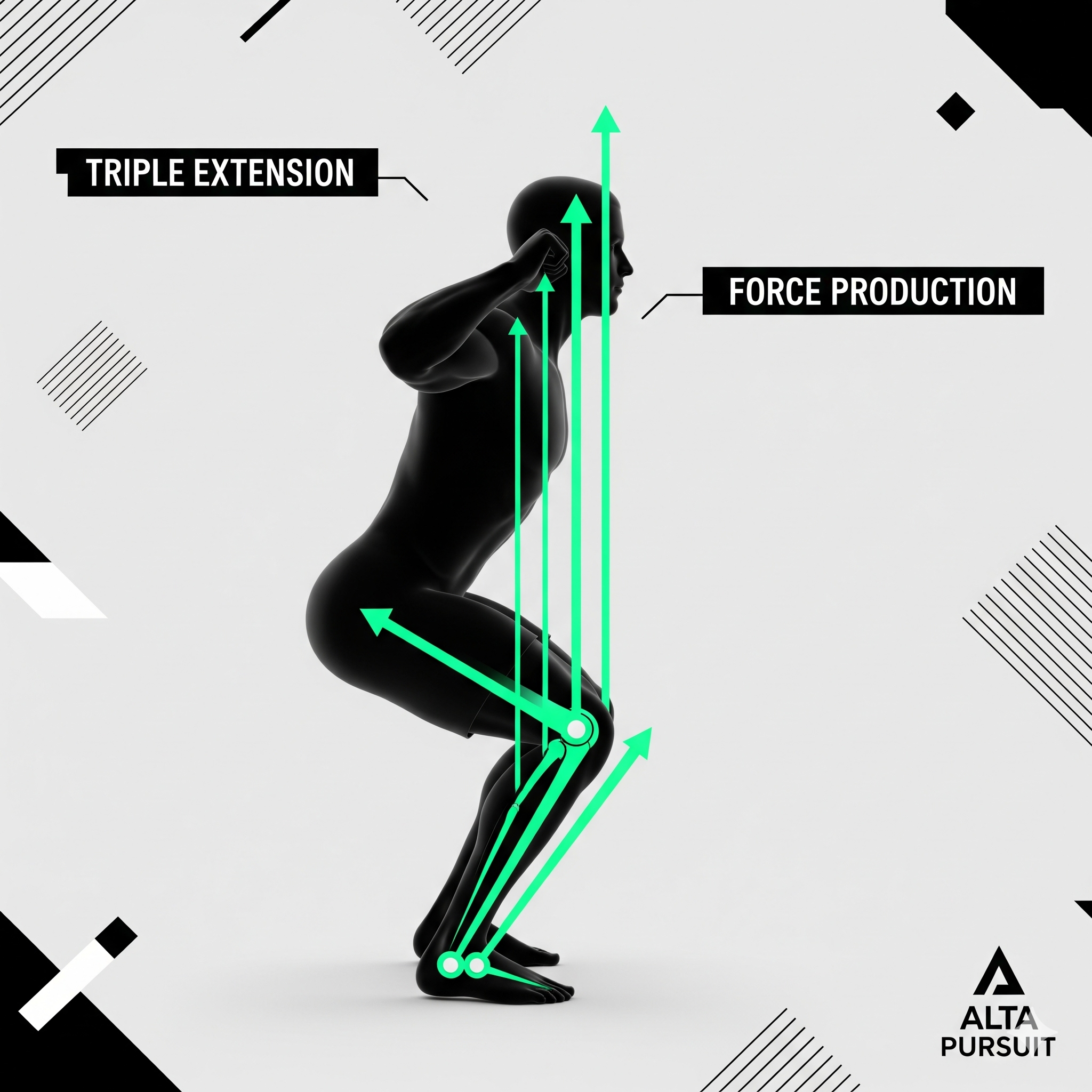
The Physics: Force Production & Triple Extension
Athletic speed isn't about moving your legs fast; it’s about how much force you can put into the ground. The more force you drive down, the further the ground pushes you up or forward.
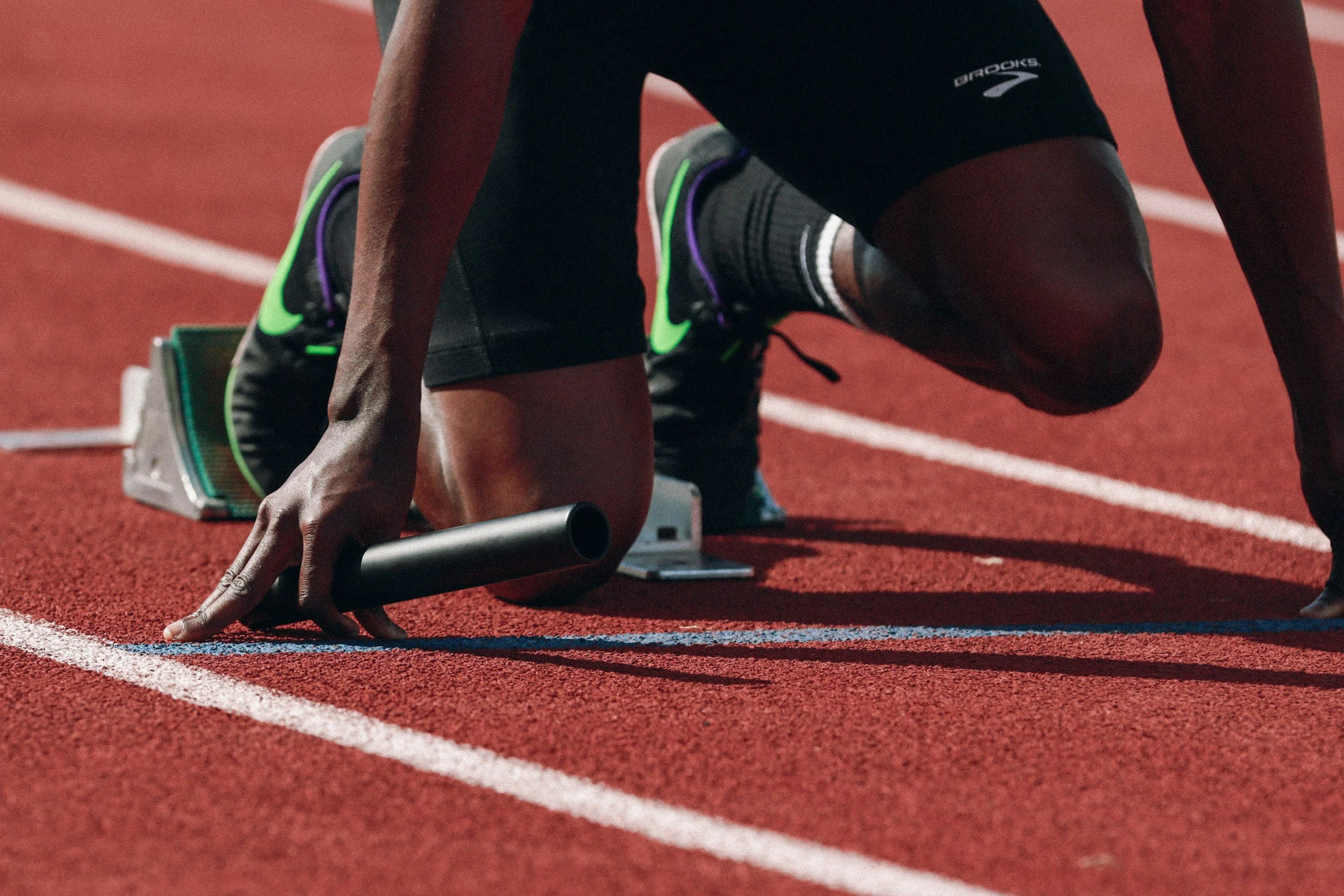
The Back Squat is the ultimate builder of Triple Extension—the simultaneous extension of your hips, knees, and ankles. This is the exact movement pattern of a sprint start, a vertical jump, and a tackle. If you are weak in the squat, you have a "power ceiling" that no amount of agility ladders can fix.
Case Study: Saquon Barkley (NFL Running Back) Saquon is famous for his "quads," but scouts are more interested in his squat numbers (routinely over 600lbs). Why? Because that strength allows him to absorb a hit from a 250lb linebacker and keep moving. His ability to produce massive vertical force means his "first step" is faster than almost anyone in the league. He isn't just "fast"; he is powerful because his engine (his legs) is bigger than everyone else's.
The Technical Concept: The "Core" Stabilizer
Many athletes think the squat is just a leg exercise. It’s actually a total-body "bracing" test. Holding a heavy bar on your back forces your core to stay rock-solid. This "anti-flexion" strength is what keeps you upright when a defender tries to knock you off your path. If your squat is high, your "balance" on the field is naturally higher because your trunk is used to handling massive loads.
The 10-Minute SQUAT "Technical Masterclass" Protocol
Note: This is for technical refinement and "waking up" the muscles, not a max-effort workout.
| Time | Task | Focus Area | The "Why" (Student Focus) |
|---|---|---|---|
| 0-2 min | Goblet Squat Holds | Hip Opening | Sits you deep into the "hole" to clear your hip capsule for better depth. |
| 2-4 min | Bird-Dogs & Deadbugs | Core Bracing | "Turns on" the abs so your spine stays protected when the bar goes on. |
| 4-6 min | Empty Bar Tempo Squats | Movement Pattern | 3 seconds down, 1 second pause, explode up. Teaches control and "the snap." |
| 6-8 min | Paused Back Squats (50% Max) | Stability | Eliminates the "bounce" and forces your muscles to generate force from a dead stop. |
| 8-10 min | Vertical Jump (No Countermove) | CNS Transfer | Teaches your brain that the "strength" you just used translates to "jumping." |
Tier One Tip: Stop chasing "ego weights." If your knees are caving in or your back is rounding, you are training for an injury, not a scholarship. Use virtual sports coaching to film your sets from the side. If your hips and the bar don't move at the same time, you have a "power leak" that we need to plug.
ELITE ATHLETE COACHING
〰️
ELITE ATHLETE COACHING 〰️
Your "Tier One" Athlete Membership is the competitive edge you’ve been looking for. Get immediate access to exclusive tools and resources designed to sharpen your mindset and fast-track your path to Tier One Status in sports and in life. It's time to build the proof.