How to Eat at School to Gain Muscle
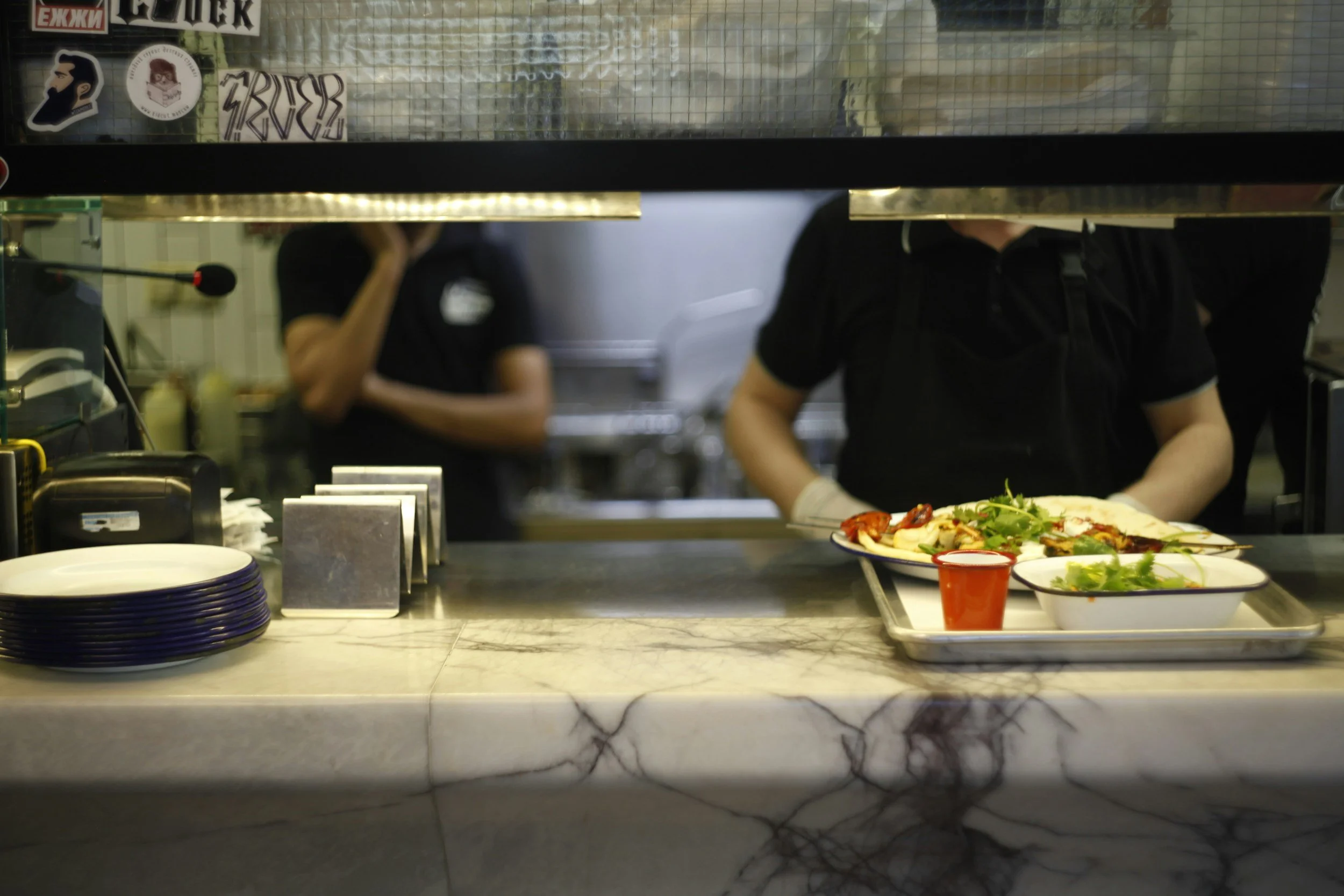
Imagine your body is a phone battery. You charge it up at breakfast (100%). Then, you go to school. You sit in class, you walk the halls, your brain burns glucose thinking about math, and your body burns calories just keeping you warm.
By the time lunch rolls around at 12:00 PM, you are down to 60%. If you eat a weak lunch—like a bag of chips and a soda—you crash. By the time practice starts at 3:30 PM, your battery is at 20%.
This is the hardest part.
Your friends will be eating Hot Cheetos, Takis, and cookies at lunch. They might make fun of you for pulling out a Tupperware container of rice and chicken or eating a third sandwich. Let them laugh. In two years, when you are starting on Varsity and they are sitting on the bench (or cut from the team), it won't be funny anymore. Eating right is a lonely road sometimes, but the results speak for themselves.
When you train on an empty tank, your body enters a state called Catabolism. This means your body starts "eating" its own muscle tissue to get energy. You are literally undoing the hard work you did in the weight room. To fix this, you need to close the gap.
Want more resources like this guide?
Join the Alta Pursuit Membership and get:
✅ Downloadable worksheets
✅ Athlete performance planners
✅ Elite Coaching Advice
The Cafeteria Battlefield
If you buy lunch at school, you are fighting an uphill battle. Cafeterias are designed to feed hundreds of kids cheaply, not to fuel high-performance athletes. But if you are on the free or reduced lunch program, or you just have to eat there, you need a strategy.
The "Double Up" Rule Cafeteria portions are too small for athletes. A standard school meal is about 600 calories. A growing athlete needs closer to 1,000 for lunch.
The Hack: Always ask for double vegetables (they are usually free) and double milk.
The Swap: Avoid the spicy chicken sandwich or the pizza. They are loaded with grease that will make you feel sluggish. Look for the "boring" food: Turkey subs, baked potatoes, or pasta.
The Liquid Gold: Chocolate milk is almost always available in schools. It is an excellent source of protein and carbs. Two cartons of milk give you 16g of protein instantly.
The Locker Stash (The Real Secret)
The best athletes don't rely on the cafeteria. They bring reinforcements. You need a "Locker Stash" of food that doesn't need a fridge and won't get squished in your bag.
You should be eating a snack between 2nd and 3rd period, or right at the end of the day before practice.
Tier 1: The PB&J (The King of Value) Nothing beats the Peanut Butter and Jelly sandwich.
Why: It costs about $0.60 to make. It has protein (peanut butter), carbs (bread/jelly), and healthy fats. It sits in your backpack all day and doesn't spoil.
Pro Tip: Use hearty whole wheat bread. It has more calories and keeps you full longer than white bread.
Tier 2: The "Overnight Oats" Jar If you have a mason jar or a sturdy Tupperware, this is a game changer.
The Recipe: Put 1 cup of oats, 1 scoop of protein powder (or powdered milk), and water/milk in a jar the night before. Let it sit in the fridge. Throw it in your bag in the morning.
The Result: A cold, pudding-like meal that you can shovel into your mouth in 30 seconds between classes.
Tier 3: The "Emergency" Bag Keep a Ziploc bag in your locker with "dry" calories for days you forget your lunch.
Trail Mix: Nuts and dried fruit are incredibly calorie-dense. A handful can be 300 calories.
Beef Jerky: expensive, but great protein.
Bagels: A plain bagel is a great source of carbs that won't go bad if it sits there for two days.
| Time | The Action | The Food Choice (Budget Friendly) |
|---|---|---|
| 7:00 AM | Charge Up | 3 Eggs, Toast, Glass of Milk. |
| 10:00 AM | The Stash | 1 PB&J Sandwich (eaten between classes). |
| 12:30 PM | Lunch | Turkey Sandwich (home) OR Pasta + 2 Choc Milks (School). |
| 2:30 PM | Hydrate | Finish your 2nd water bottle. |
| 3:00 PM | Pre-Practice | Banana or Granola Bar (Simple Carbs). |
| 3:30 PM | Go Time | Practice Starts (Full Tank). |
Hydration: The Water Fountain Trap
Most students are chronically dehydrated. Drinking from the water fountain for 3 seconds between classes gives you about 2 ounces of water. You need 100 ounces a day.
The Rule: Carry a bottle. If you don't have a bottle, you aren't an athlete.
The Goal: You should finish one full bottle before lunch, and one full bottle after lunch.
The Test: If your pee is yellow when you go to the bathroom before practice, you are already dehydrated. It should be clear (like lemonade, not apple juice).
ELITE ATHLETE COACHING
〰️
ELITE ATHLETE COACHING 〰️
Your "Tier One" Athlete Membership is the competitive edge you’ve been looking for. Get immediate access to exclusive tools and resources designed to sharpen your mindset and fast-track your path to Tier One Status in sports and in life. It's time to build the proof.