Mastering Nutrition DURING Tournament Travel
Travel is a competitive disadvantage—but only if you allow it to be. When your routine is disrupted, your stress is high, and your only food option is a bus stop or a hotel buffet, your performance drops. Your nutrition system must remain non-negotiable, even when you're 500 miles from your home kitchen.
1. Phase 1: The Pre-Load Protocol (72 Hours Out)
Winning the tournament starts three days before you leave. Your goal is to maximize glycogen stores and eliminate digestive stress.
Maximize Hydration: Start hyper-hydrating 72 hours before travel. Traveling—especially by air—is highly dehydrating. Set a reminder to drink every hour.
Boost Complex Carbs: Increase your intake of complex carbohydrates (whole grains, sweet potatoes, rice). These are your sustained fuel sources.
Avoid the Unknown: Minimize eating new or exotic foods and highly processed items (fried foods, excessive sugar). You don't want digestive surprises on the road.

Want more resources like this guide?
Join the Alta Pursuit Membership and get:
✅ Downloadable worksheets
✅ Athlete performance planners
✅ Elite Coaching Advice
2. Phase 2: The Travel Day Strategy (The "Go-Bag")
You cannot trust roadside options. Your travel bag is your mobile fuel station.
The Non-Negotiable Carry-On: Pack high-density, non-perishable snacks that guarantee clean energy.
Carbs/Energy: Whole-grain crackers, dry cereals, granola bars (low sugar), trail mix, dried fruit.
Protein/Repair: Protein bars, jerky, or single-serve packets of nuts/seeds.
Hydration Insurance: Electrolyte tablets or powder. Coaching Tip: Avoid carbonated or sugary sodas, which lead to digestive upset and poor hydration.
The Meal Fix: If you stop at a fast-casual restaurant, your mission is simple: Protein + Complex Carb + Salad/Veggies. Avoid fried items. Look for simple, baked or grilled options.
3. Phase 3: Competition Fueling (The Hotel and Game Day)
Your strategy is consistency. Do not introduce new foods on competition day.
The Hotel Audit: If breakfast is a buffet, prioritize complex carbs (oatmeal, whole-grain bread) and lean protein (eggs). Avoid sugary pastries or high-fat breakfast meats, which cause sluggishness.
The Recovery Command Center: You must execute the 30-Minute Post-Workout Window immediately after every game. Non-Negotiable Parent To-Do: Have your 3:1 or 4:1 carb-to-protein recovery shake/snack ready in the cooler or bag. This is critical for replenishing energy and repairing muscles for the next day's game.
Lunch/Dinner Consistency: Stick to familiar, low-fat, high-carb meals. Opt for baked or grilled options and focus on constant hydration.
4. Parent/Athlete Travel Checklist
This is a shared responsibility to eliminate risk:
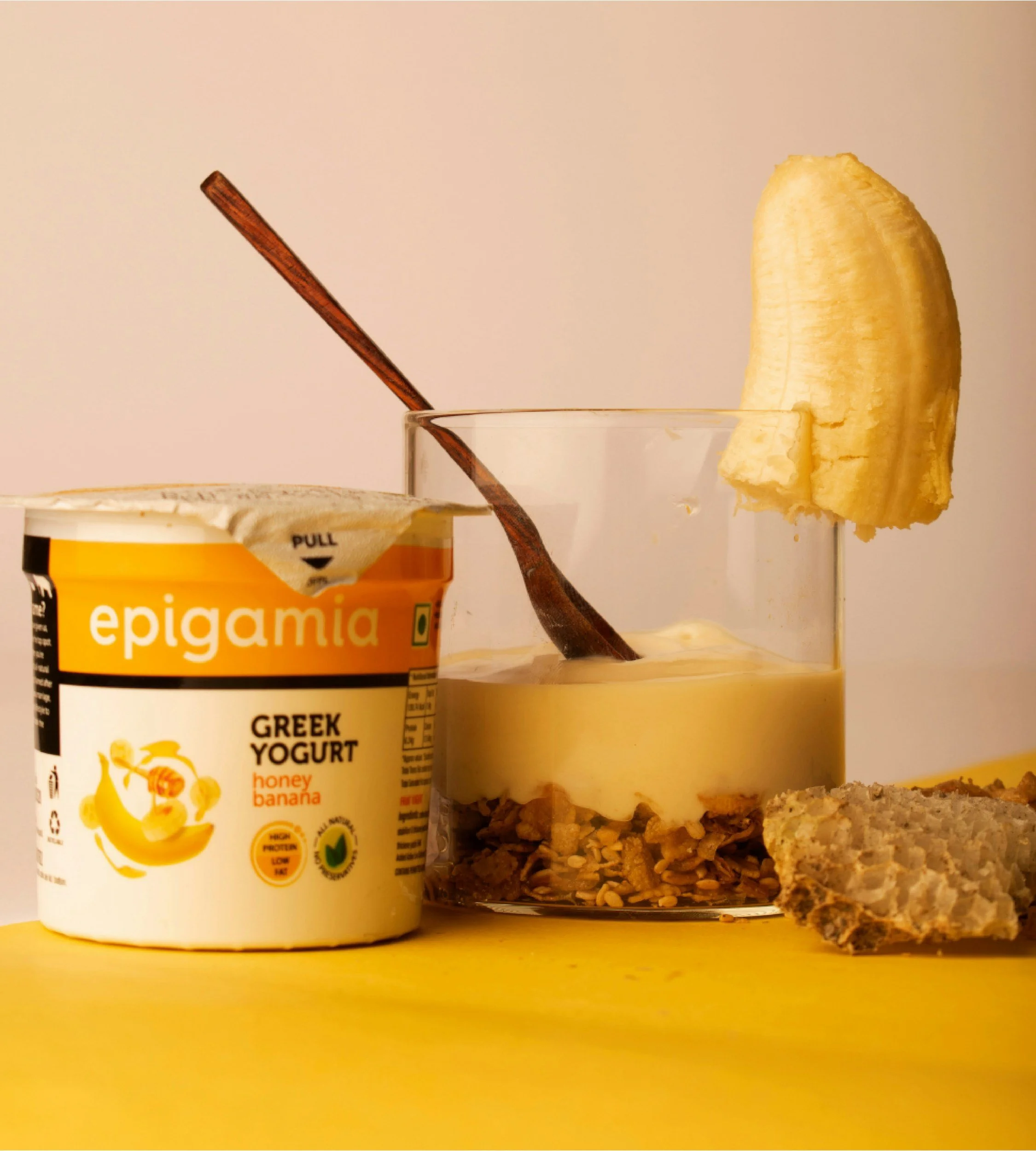
Pack a cooler with water and pre-made recovery shakes/yogurt.
Pre-map all food stops to avoid unplanned fast food dives.
Ensure the hotel has a refrigerator for healthy snacks. A kitchenette to make simple, macro-balanced meals.
Pack only essential, familiar snacks (protein bars, nuts, dried fruit). Never try a new supplement or food the day before competition.
Tier One performance demands control over the controllable. Your fuel plan is the system that delivers consistency. Talk to our coaches today for your customized competition nutrition plan.
Join the Alta Pursuit Athlete Community today and transform your potential into elite.
ELITE ATHLETE COACHING
〰️
ELITE ATHLETE COACHING 〰️
Your "Tier One" Athlete Membership is the competitive edge you’ve been looking for. Get immediate access to exclusive tools and resources designed to sharpen your mindset and fast-track your path to Tier One Status in sports and in life. It's time to build the proof.