Fixing the Power Leak: Why Single-Leg Strength Wins Games
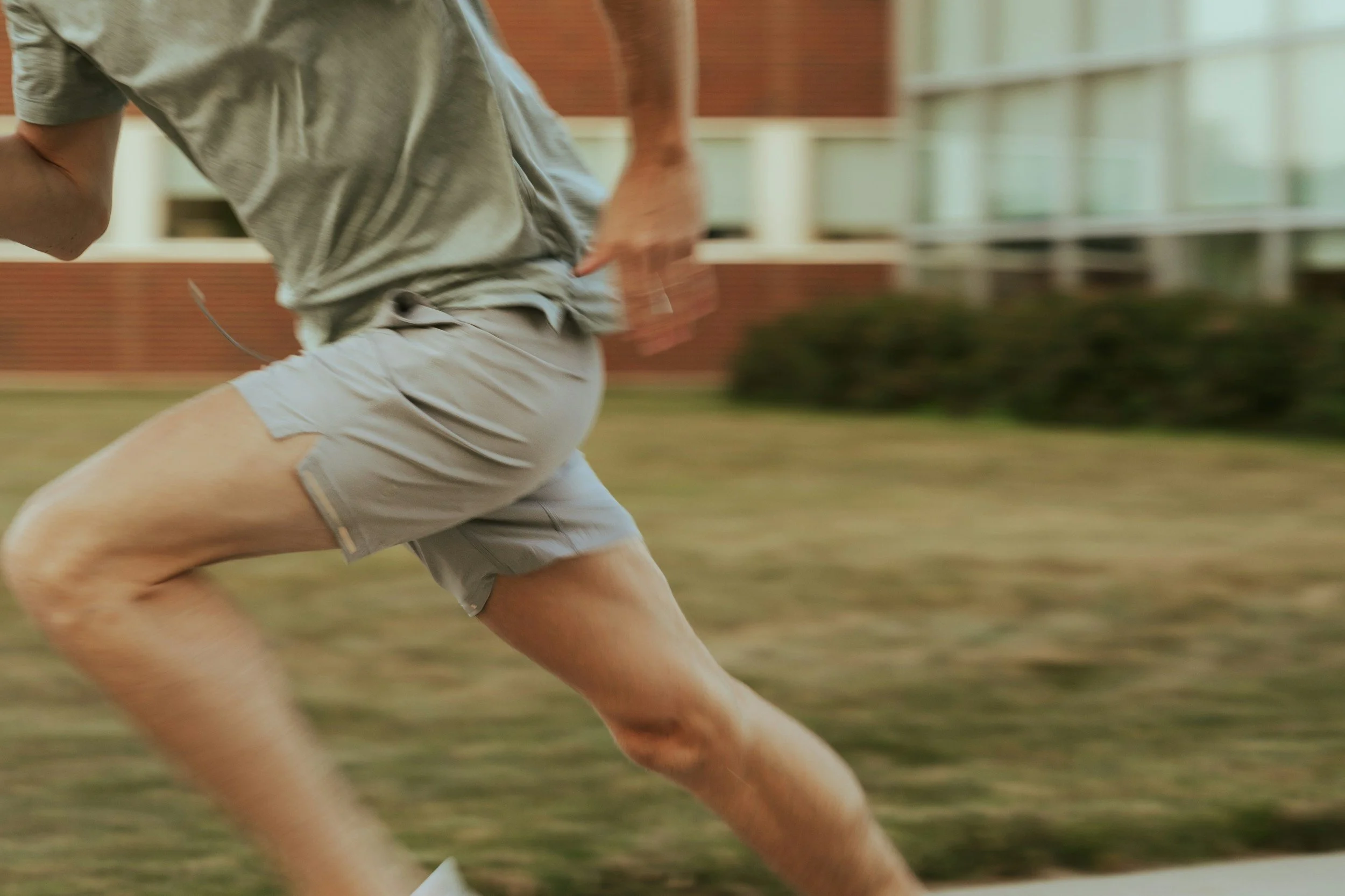
Most 16-year-old athletes love the Back Squat because they can move big weight. But if you have a massive squat and still get "blown by" on defense, you likely have a Power Leak. As a strength coach, I use the Bulgarian Split Squat (BSS) to find your weaknesses and fix them before they become injuries.
Want free elite athlete resources?
Join the Alta Pursuit Membership and get:
✅ Downloadable worksheets
✅ Athlete performance planners
✅ Elite Coaching Advice
The Physics: Unilateral Stability
When you stand on two legs, your pelvis is stable. The moment you lift one foot to sprint or cut, your hips want to "drop" or tilt. If your stabilizers (glute medius) are weak, your knee will cave inward (valgus), and your power will "leak" out the side instead of driving you forward.
The Bulgarian Split Squat forces each leg to carry 90% of the load while maintaining a level pelvis. By mastering this, you ensure that every ounce of force you produce goes directly into the ground, making your first step faster and your cuts sharper.
Case Study: Erling Haaland (Elite Soccer Striker)
Haaland is a physical anomaly—massive but incredibly agile. His ability to change direction at full sprint without losing balance comes from elite single-leg stability. He isn't just strong; he is stable. By training unilaterally, he ensures that his "plant leg" is a rock-solid foundation, allowing him to strike the ball with full power even while off-balance.
The Technical Concept: Pelvic Control
The "secret" to the BSS isn't just the quad burn; it's the stretch in the trailing leg's hip flexor. Most athletes have "tight" hips that pull their pelvis into an anterior tilt. This "shuts off" the glutes. The BSS teaches you to keep a "neutral" spine under a single-leg load, which is the exact posture you need to maintain top-end speed during the second half of a game.
The 10-Minute "Unilateral Mastery" Protocol
Note: This is for technical refinement and "waking up" the muscles, not a max-effort workout.
| Time | Task | Focus Area | The "Why" (Student Focus) |
|---|---|---|---|
| 0-2 min | Couch Stretch | Hip Flexors | Unlocks the trailing leg so your pelvis can stay level during the lift. |
| 2-4 min | Single-Leg Glute Bridges | Glute Activation | "Wakes up" the stabilizer muscles that keep your knee from caving in. |
| 4-6 min | Bodyweight BSS (Tempo) | Stability | 3 seconds down, 2 second pause at the bottom. Focus on "locking" the knee in place. |
| 6-8 min | Rear-Foot Elevated Holds | Isometric Strength | Builds the "bottom-end" strength needed to explode out of a deep cut. |
| 8-10 min | Single-Leg Hops (Lateral) | Power Transfer | Immediately applies your new stability to a game-like jumping movement. |
Tier One Tip: Don't let your front knee wobble. If your knee is shaking like a leaf, the weight is too heavy. Use virtual sports coaching to film your front view. Your hip, knee, and ankle should stay in a perfectly straight vertical line. If they don't, you're leaking power.
ELITE ATHLETE COACHING
〰️
ELITE ATHLETE COACHING 〰️
Your "Tier One" Athlete Membership is the competitive edge you’ve been looking for. Get immediate access to exclusive tools and resources designed to sharpen your mindset and fast-track your path to Tier One Status in sports and in life. It's time to build the proof.