
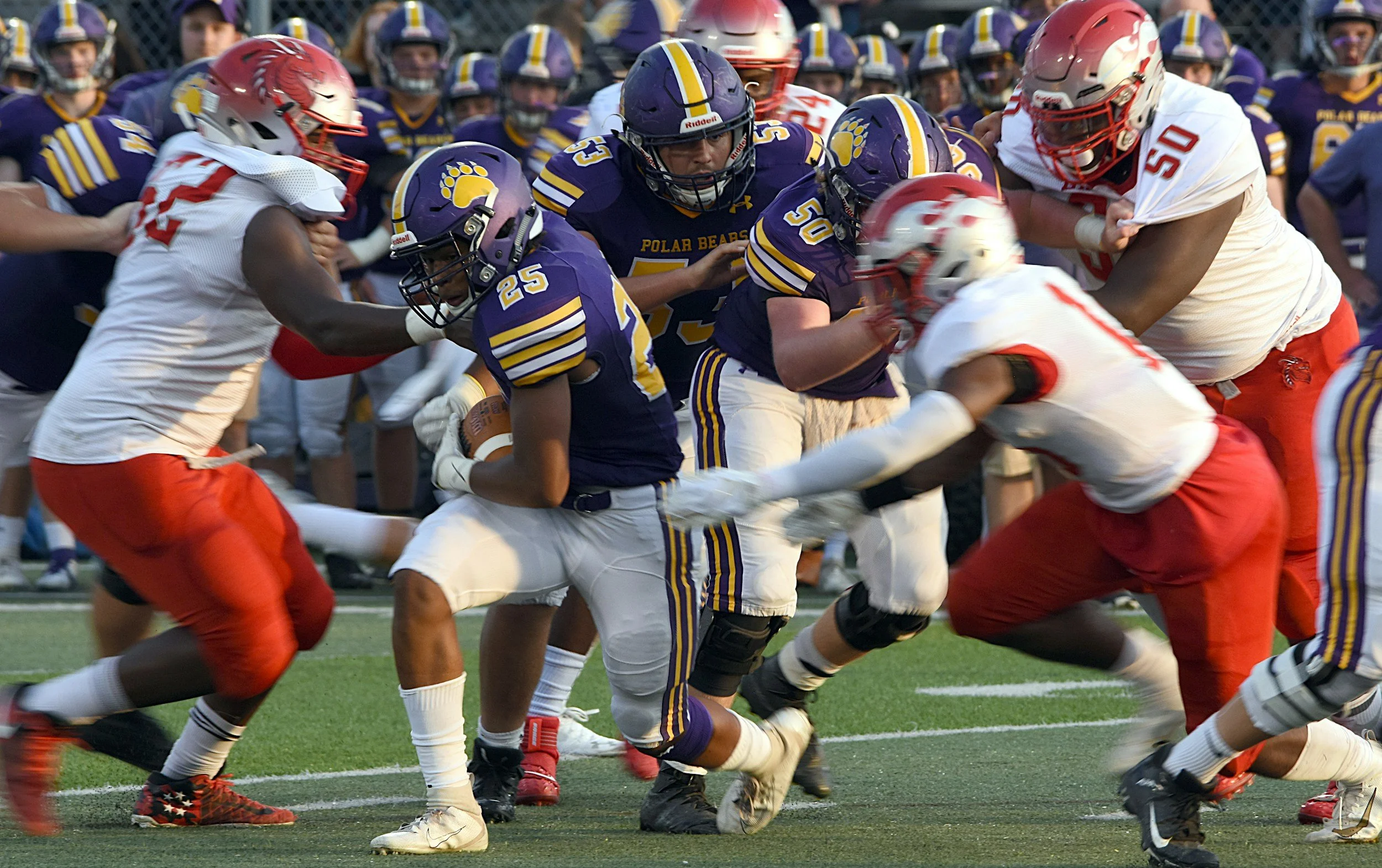
Football Route Running: Selling the Fake with Your Hips, Not Your Head
A head fake might fool a beginner, but it won't fool a disciplined linebacker. Elite route runners—like Justin Jefferson or Davante Adams—don't just run patterns; they manipulate their center of gravity. The secret to getting open isn't your top speed; it's your ability to stop instantly using the "Hip Sink."

Flexibility is Not Passive Rest, but Active Power
Flexibility is not a suggestion; it is a performance metric. If you neglect mobility, you are sacrificing power, inviting injury, and guaranteeing a plateau. Amateurs stretch when they feel tight; Tier One athletes perform deliberate mobility work daily because it is the non-negotiable maintenance required for the machine to operate at 100%.
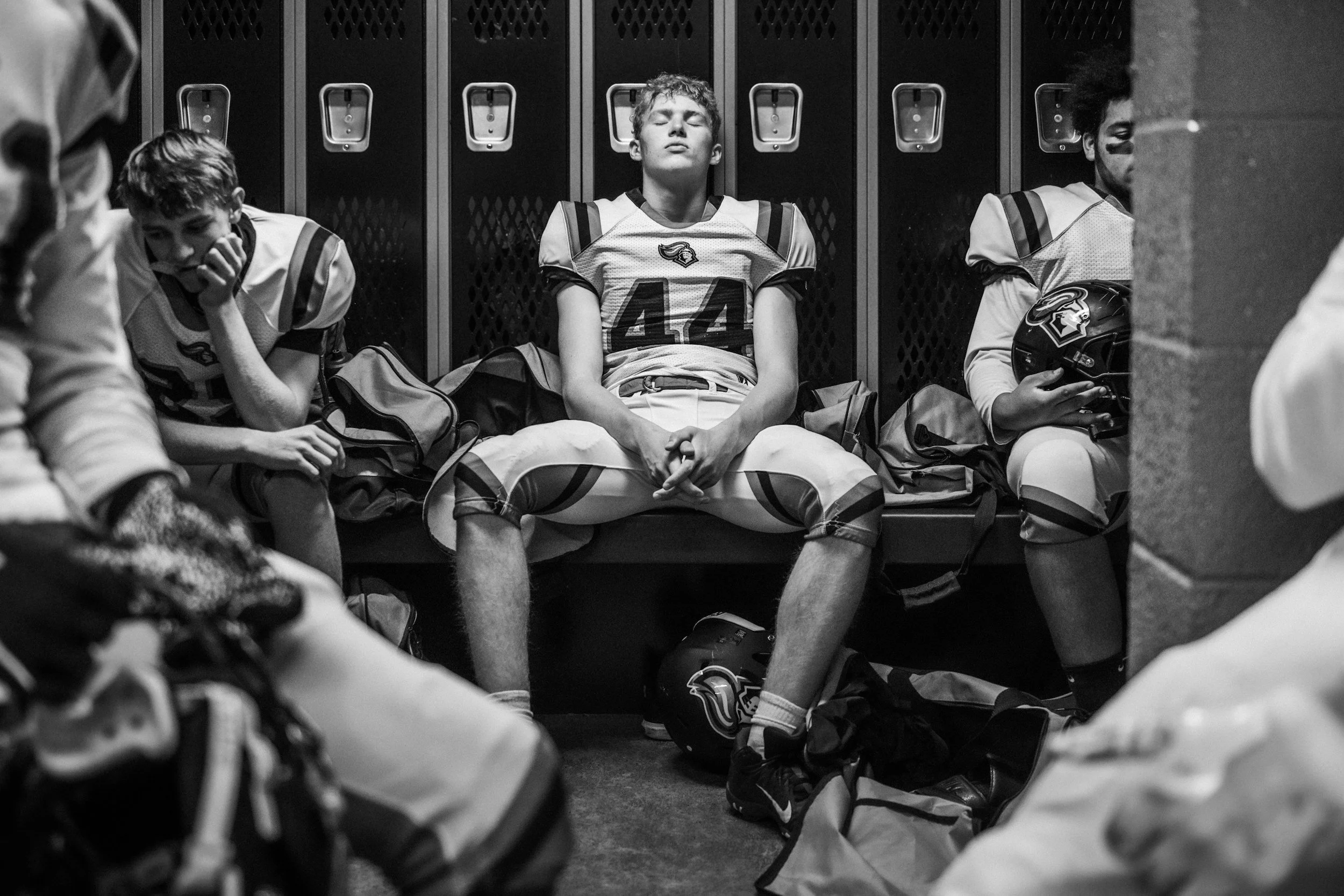
The Spotlight Moment: How to Execute When the Pressure is Maxed Out
Pressure is not a feeling; it is a privilege. If you are feeling immense pressure, it means you are in a position to win, to qualify, or to secure a goal others can only dream of. Choking is not a character flaw; it is a system failure. Tier One athletes do not eliminate pressure—they design a system to handle it.

The Landing Error: Why ACLs Tear and How to PREVENT It
Speed isn't just about how fast you run; it's about when and where you run. Most young strikers make the mistake of running directly across a defender’s face, making them easy to track. To score more goals, you need to master the "Blindside Run": staying in the defender's shadow until the perfect moment to strike.

How to Film So Coaches Actually Watch
You are at the game. You are holding the iPad or the camera. You are trying to capture that "highlight reel" moment for your child.
But most parent-filmed footage is unusable. It’s too shaky, it’s zoomed in too tight, or the audio is full of parents screaming at the referee. College coaches spend about 30 seconds evaluating a highlight tape. If the footage makes them seasick, they move on.
You don't need a $2,000 camera. You just need better tactics. Here is the Tier One guide to filming game tape.

How to Maximize the Holiday Break Without Losing the Edge
The holidays are a necessary break, but for the elite athlete, they pose a significant risk: the temptation to abandon the system entirely. Tier One athletes treat the break as a tactical opportunity—a time to recharge the mind and body without sacrificing the essential integrity of the training system.

The Parent’s Playbook: How to Keep Competitive Sports Fun
Competitive sports are expensive and stressful. Between the travel costs, the early mornings, and the pressure to perform, it is easy for sports to feel like a second job for the whole family.
But here is the truth: If it isn't fun, they won't last.
The number one reason athletes quit before age 16 isn't a lack of talent; it's burnout. As a parent, you set the emotional temperature for your child. If you are stressed, they are stressed.
Here are 4 simple rules to keep the joy in the game for you and your athlete.

Beating "Bus Legs": How to Stay Loose for Away Games
When you sit for long periods, your muscles, specifically your hip flexors, shorten and tighten. If you go straight from a 3-hour drive to a high-intensity game, you are setting yourself up for a slow start or, worse, a pulled hamstring.
Here is the 3-step checklist to arriving at the tournament ready to dominate, not just participate.

Mastering Nutrition DURING Tournament Travel
Travel is a competitive disadvantage—but only if you allow it to be. When your routine is disrupted, your stress is high, and your only food option is a bus stop or a hotel buffet, your performance drops. Your nutrition system must remain non-negotiable, even when you're 500 miles from your home kitchen.

The ACL Armor: How to Injury-Proof Your Knees
The most devastating injury in student athletics is not the broken bone from a massive tackle. It is the non-contact ACL tear.
It happens in a split second. A receiver plants their foot to cut. A soccer player lands after a header. There is no contact, just a "pop."
The reality is that most student athletes are building Ferrari engines with bicycle brakes. They spend hours training to run fast and jump high, but almost zero time training to stop and land.
You cannot prevent 100% of injuries, but you can significantly lower the risk by building the right protection. Here is the Tier One protocol for building strong knees.

Mastering Macros, Timing FOR COMPETITIVE ATHLETES
Your body is your most important equipment. If you treat it like a Tier One machine, you must feed it Tier One fuel. Stop relying on myths—your nutrition is a science that directly supports muscle growth, resilience, and mental focus. Cutting corners on your plate guarantees plateaus on the field.
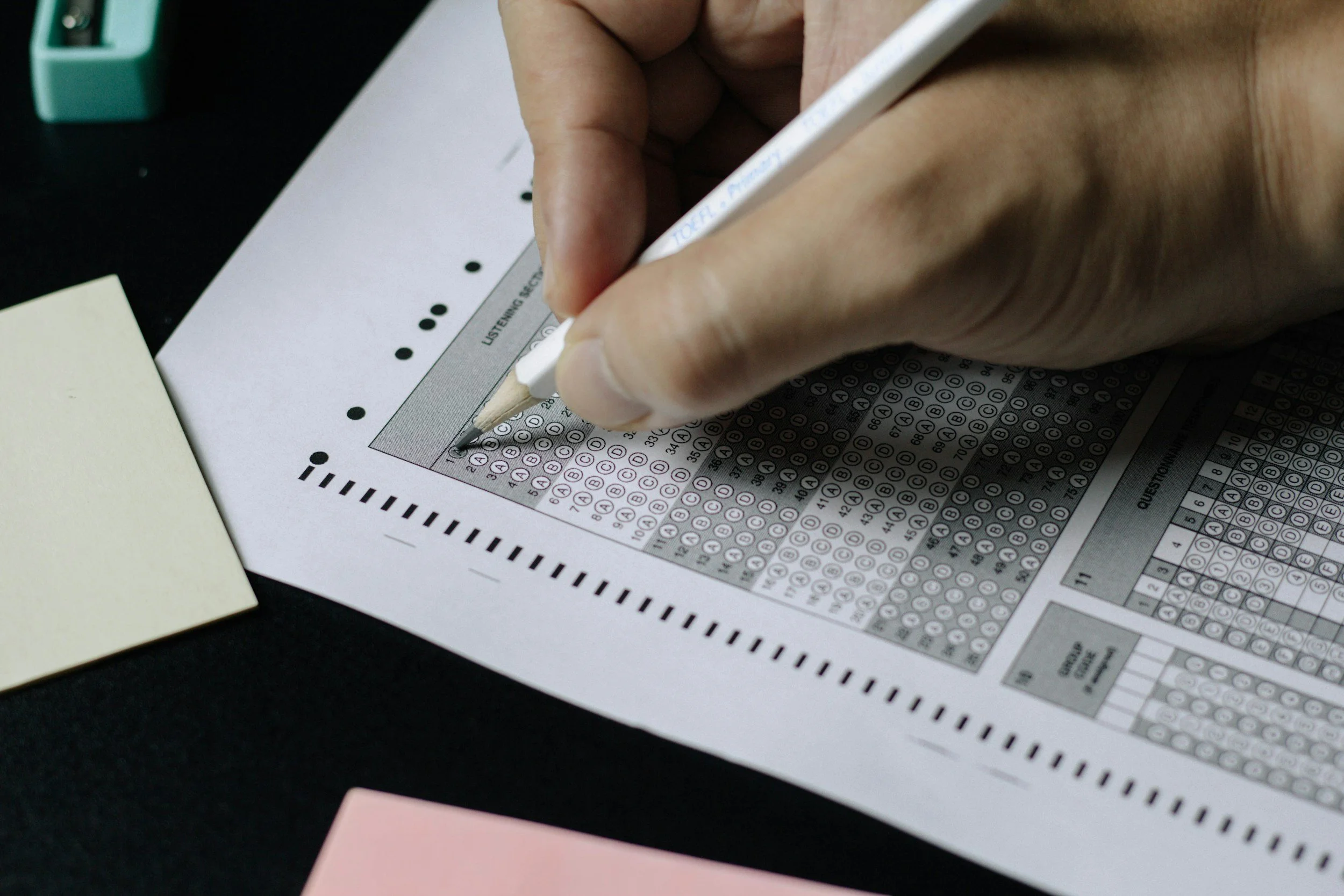
A Parent’s Guide to Protecting Your Athlete’s GPA
For any aspiring Tier One athlete, academics are not optional—they are the non-negotiable key that unlocks the recruiting door. Coaches eliminate thousands of prospects based purely on academic risk. Your job as a parent is to eliminate that risk by establishing a professional, proactive academic system.

A Guide to Handling Mistakes for Athletes and Parents
Every athlete misses the shot. Every athlete makes a bad pass. The difference between a player who quits and a player who gets better isn't talent—it’s how they handle those mistakes.
Failure isn't a disaster; it’s just proof that you are trying something hard. Here is a simple guide on how to handle the pressure before, during, and after the game.

A Parent’s Guide to Budgeting for COMPETITIVE SPORTS
As a parent, you are the Chief Investment Officer for your athlete's future. The commitment to Tier One status involves massive investments of time, money, and emotional capital. This article provides a clear framework to manage these risks, ensuring your investment yields maximal returns—the true competitive edge.

Six Non-Negotiable Soccer Rules For Match Day Victory
Your team has executed the fundamentals. They've logged the hours.
Now, the final 48 hours before the match are where amateur teams falter and Tier One teams lock in the win. This resource teaches you the communication protocols to transition your players from practice to performance, guaranteeing Total Focused Effort (TFE) when the whistle blows.

Is Journaling Worth the Time?
Let’s be clear: Your Alta Pursuit journal is not a diary. It is a performance log and a strategic planning console for your brain. If you think journaling is soft or a waste of time, you fundamentally misunderstand where your competitive advantage comes from. Your mind is your most powerful muscle, and the journal is your weight room.

Should I Quit My Second Sport? A Guide to Specialization
This is the toughest question for any ambitious athlete: When is the right time to cut the cord? The pressure to specialize is intense, but the risks are real—burnout, overuse injuries, and missing out on broader athletic development. Specialization is an earned privilege, not a requirement. Making this decision on emotion is a guarantee of failure; making it with objective data is a Tier One execution.
The Off-Season: Where Tier One Status is Earned
If you treat the off-season as a vacation, you are operating with an amateur mindset. The off-season is where Tier One status is earned. It is a strategic, non-competitive period designed for weakness analysis, foundational gains, and the necessary physical variability that prevents career-ending injuries.