

Why Strong Hands are the Secret to Winning the Game
Your hands are the final point of contact in almost every sport. If your grip is weak, your 400lb deadlift strength is useless because you can't hold onto the opponent, the ball, or the stick. This guide breaks down 'Crush vs. Support' strength and explains how to turn your hands into anchors that scouts can't break.

The Concussion Shield: Why Neck Strength is Your Best Insurance Policy
You train your quads for speed and your back for power, but are you training your neck for safety? Research shows that for every pound of neck strength you gain, you reduce your concussion risk by 5%. This guide breaks down the science of 'Head Displacement' and teaches you how to build the armor needed to stay on the field after a big hit.

Turning Your Feet into Steel Springs for Max Velocity
If your ankles are 'mushy' when you hit the ground, you are leaking energy like a flat tire. The fastest athletes in the world don't have the biggest muscles; they have the stiffest springs. This guide breaks down the science of Elastic Recoil and teaches you how to stop 'sinking' into the turf so you can bounce off it with elite power.

Rotational Power: Mastering the "Torso Slingshot"
In rotational sports, power isn't a strength contest—it's a whip. Elite QBs, pitchers, and strikers don't use their arms to generate speed; they steal energy from the ground and slingshot it through their core. This premium guide breaks down the biological 'X' in your torso that allows you to launch 50-yard bombs and 90mph strikes without blowing out your shoulder.
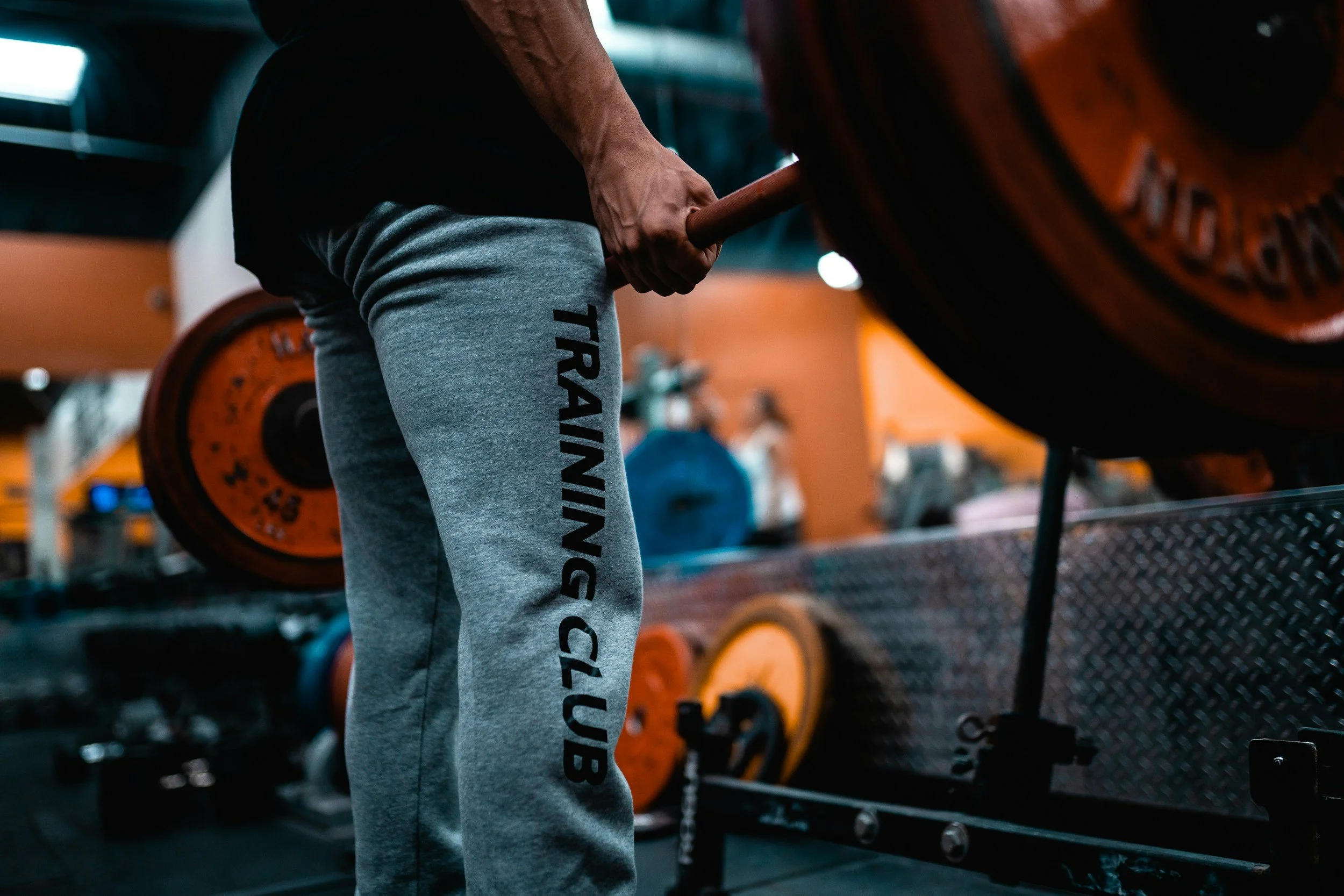
10-Minute Weightroom Warmup for Max Strength
The warmup isn't a chore; it's a technical requirement. Putting a 300lb load on a 'cold' spine is a recipe for disaster. This 10-minute RAMP protocol is designed to lubricate your joints, ignite your CNS, and build the total-body bracing needed for a 'Tier One' lifting session.

10-Minute Basketball Warmup for Vertical Explosion
The vertical leap starts in the ankles, not the quads. To own the rim and stay 'locked' on defense, you need a warmup that primes your launchpad and wakes up your lateral stabilizers. This 10-minute RAMP protocol ensures you're ready for takeoff and 360-degree reactive play.

10-Minute Football Warmup for Explosive Get-Offs
Football is won in the first two steps. Whether you're in the trenches or split out wide, your ability to move from a static stance to 100% velocity is the difference between a sack and a touchdown. This 10-minute RAMP protocol primes your 'Power V' and prepares your neck and shoulders for high-impact contact.

10-Minute Soccer Warmup for Explosive 1 v 1s
Stop wasting your pre-game energy on static stretching. To dominate the pitch, you need a warmup that unlocks your hips, fires up your glutes, and primes your nervous system for 360-degree movement. This 10-minute RAMP protocol is your mobile-first blueprint for elite performance and injury prevention.

Elite Football Weight Room Program
This is your blueprint for building a Tier One engine. We’re cutting out the nonsense and focusing on the big, explosive moves that make you unmovable on the line and faster in the open field. Whether you're chasing a scholarship or just want to dominate your local league, this 60-minute weight room session is designed to turn your hard work into real-world power.
Surviving Osgood-Schlatter and Severs Disease
It feels like your knees are exploding or your heels are made of glass. You aren't 'injured' in the traditional sense; you are experiencing the 'Growth Gap.' This guide breaks down the biology of Apophysitis and explains how to maintain your Tier One trajectory when your bones are outrunning your tendons.
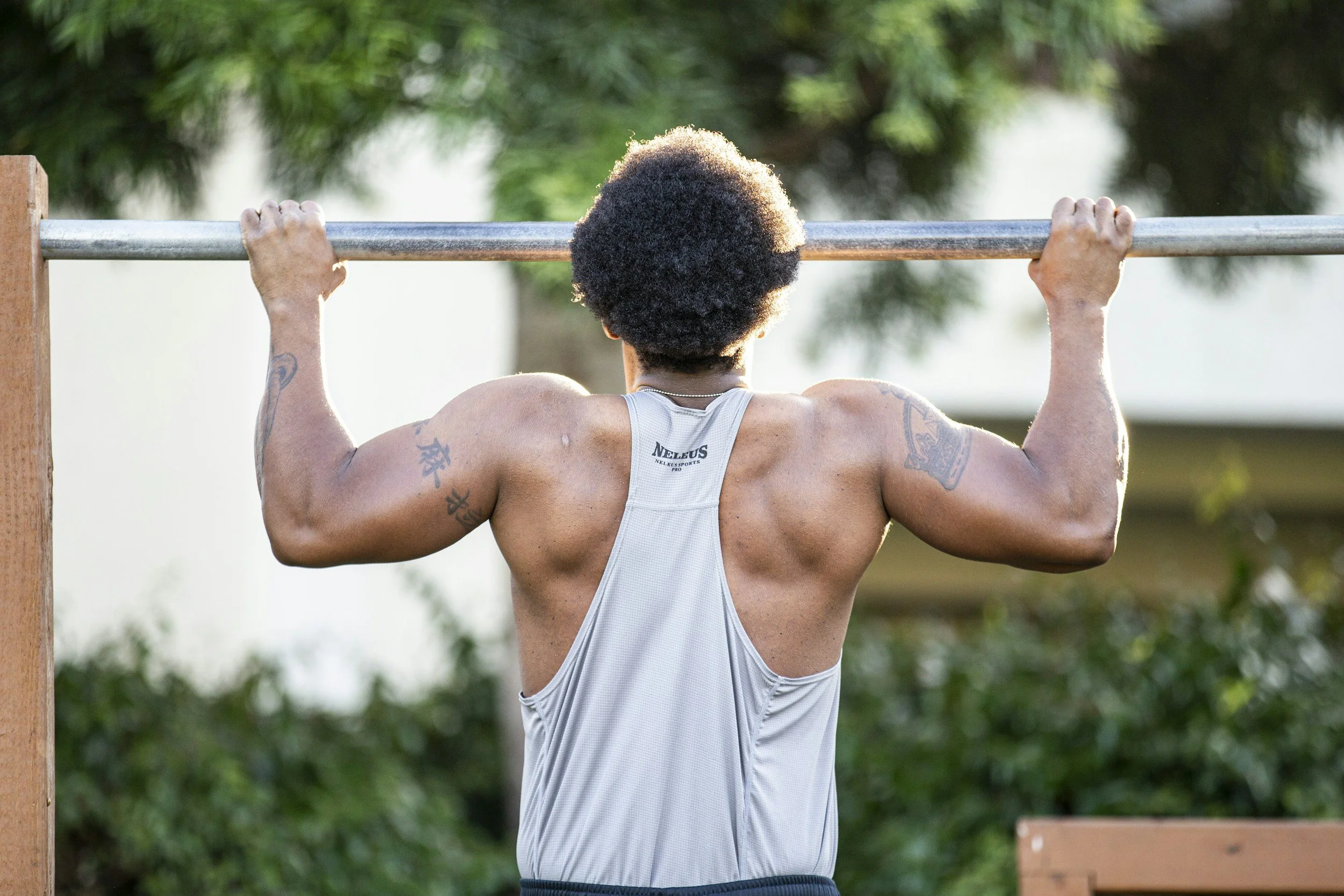
Why the Pull-Up is the Ultimate Test of Relative Strength
Strength is useless if you can't use it fast. The Power Clean teaches your nervous system to fire every muscle in your body in a fraction of a second. This guide breaks down 'Rate of Force Development' and explains why the 'Snap' of a clean is the #1 predictor of a dominant vertical leap and elite breakaway speed.
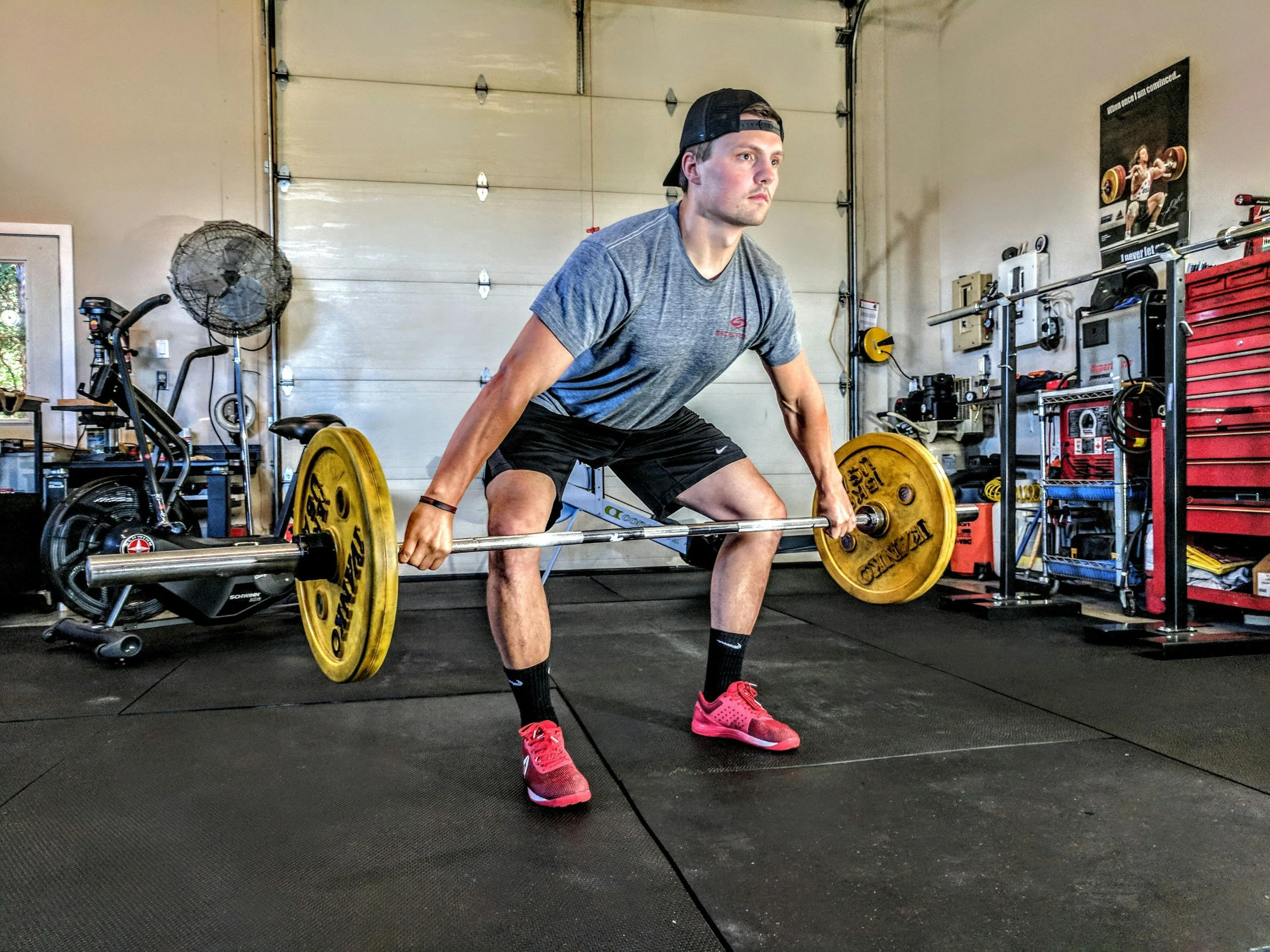
Fixing the Power Leak: Why Single-Leg Strength Wins Games
Strength is useless if you can't use it fast. The Power Clean teaches your nervous system to fire every muscle in your body in a fraction of a second. This guide breaks down 'Rate of Force Development' and explains why the 'Snap' of a clean is the #1 predictor of a dominant vertical leap and elite breakaway speed.
Why the Power Clean is the Secret to Closing Speed
Strength is useless if you can't use it fast. The Power Clean teaches your nervous system to fire every muscle in your body in a fraction of a second. This guide breaks down 'Rate of Force Development' and explains why the 'Snap' of a clean is the #1 predictor of a dominant vertical leap and elite breakaway speed.
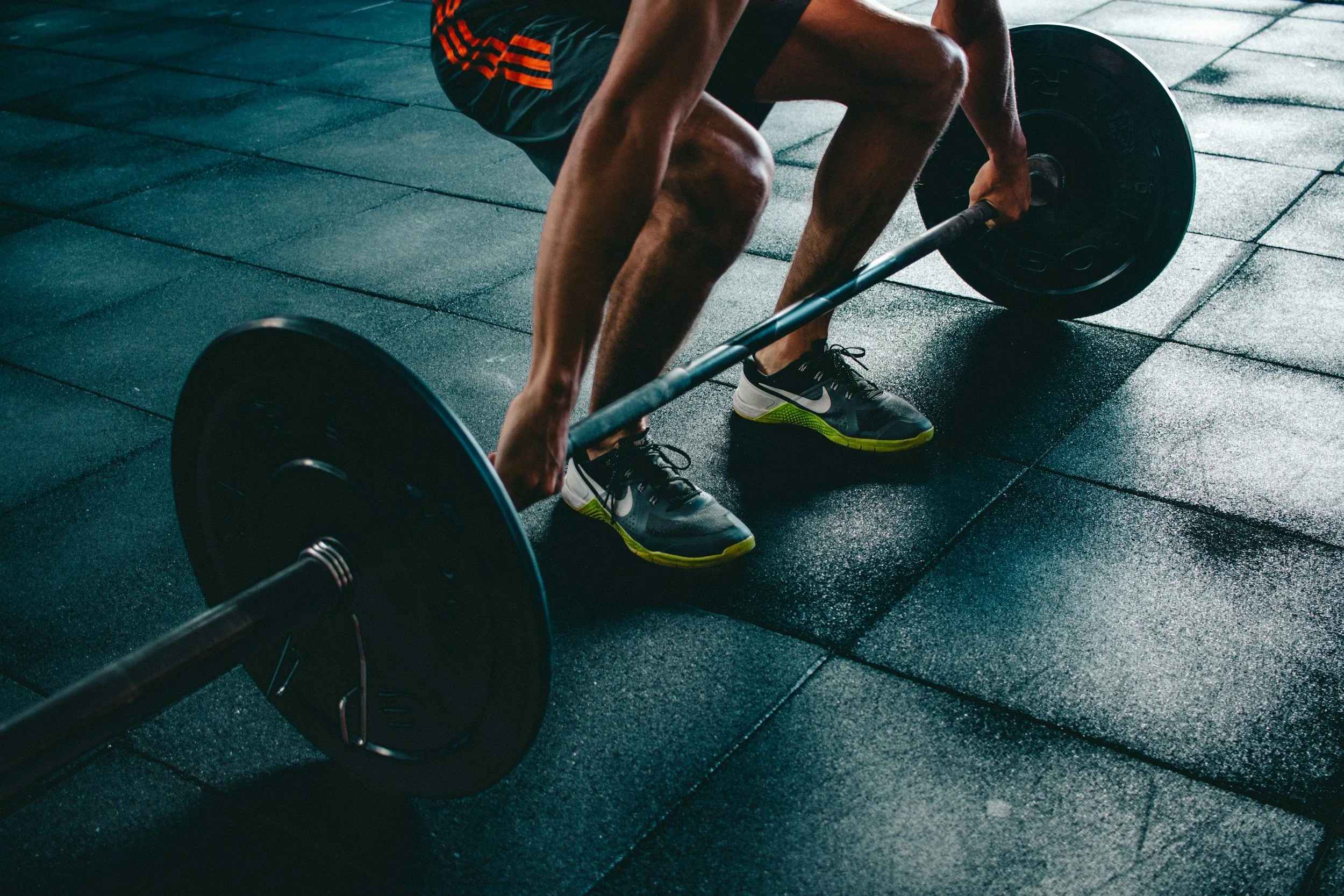
Why the Trap Bar Deadlift is the Ultimate Force Builder
If the squat is your engine, the deadlift is your armor. To survive a 100-yard game or a 90-minute match, you need a back and hamstrings made of steel. This guide explores the 'Posterior Chain' mechanics of elite power athletes and explains why the Trap Bar is the safest, most athletic way to build total-body tension.
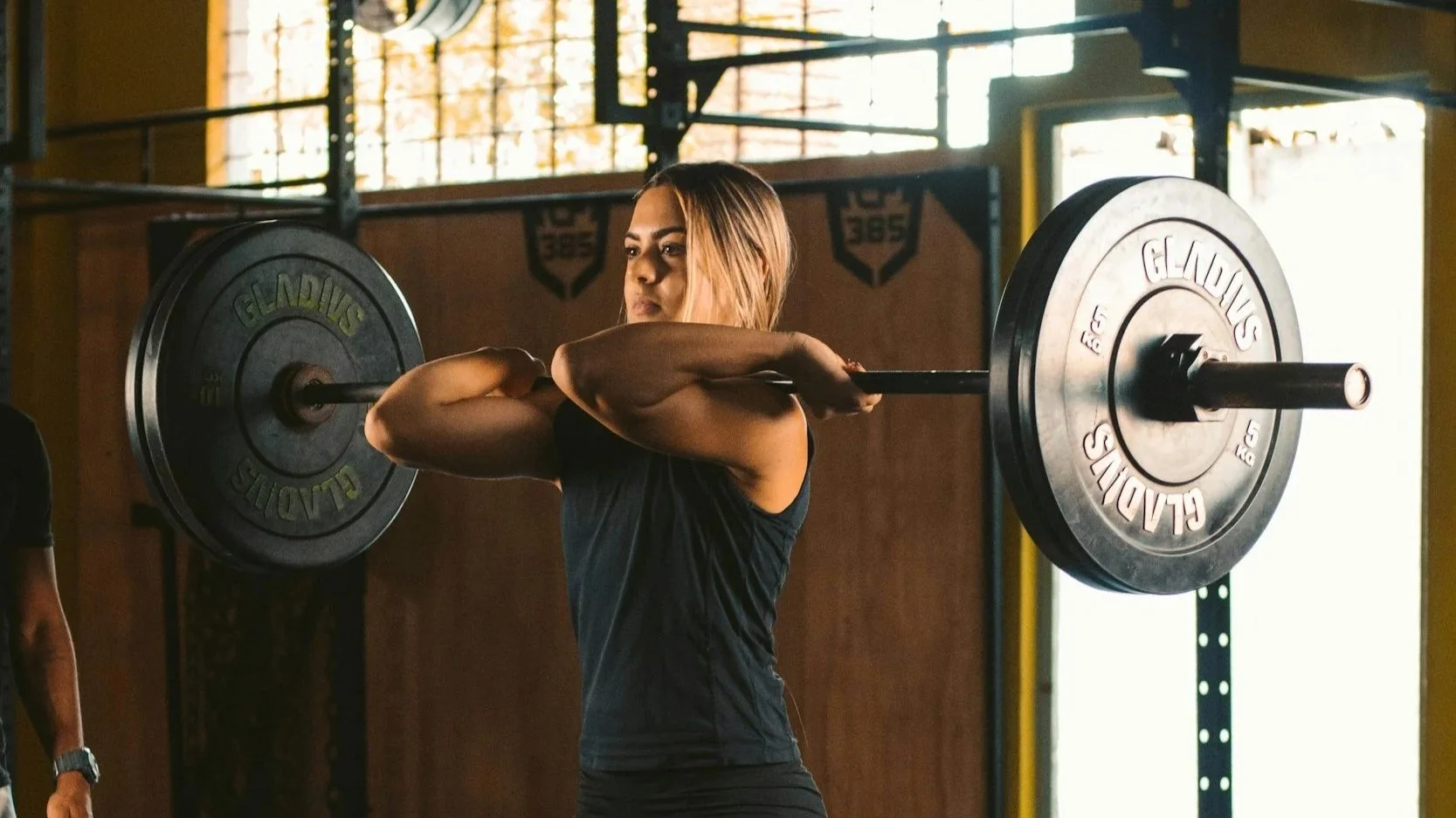
The King of the Gym: Why Every Elite Athlete Needs the Back Squat
If you want to be the fastest player on the field or the highest jumper on the court, you don't need fancy footwork drills; you need a bigger engine. The Back Squat is that engine. This guide breaks down the science of 'Triple Extension' and explains how 400lbs on your back translates to a 4.5-second 40-yard dash.
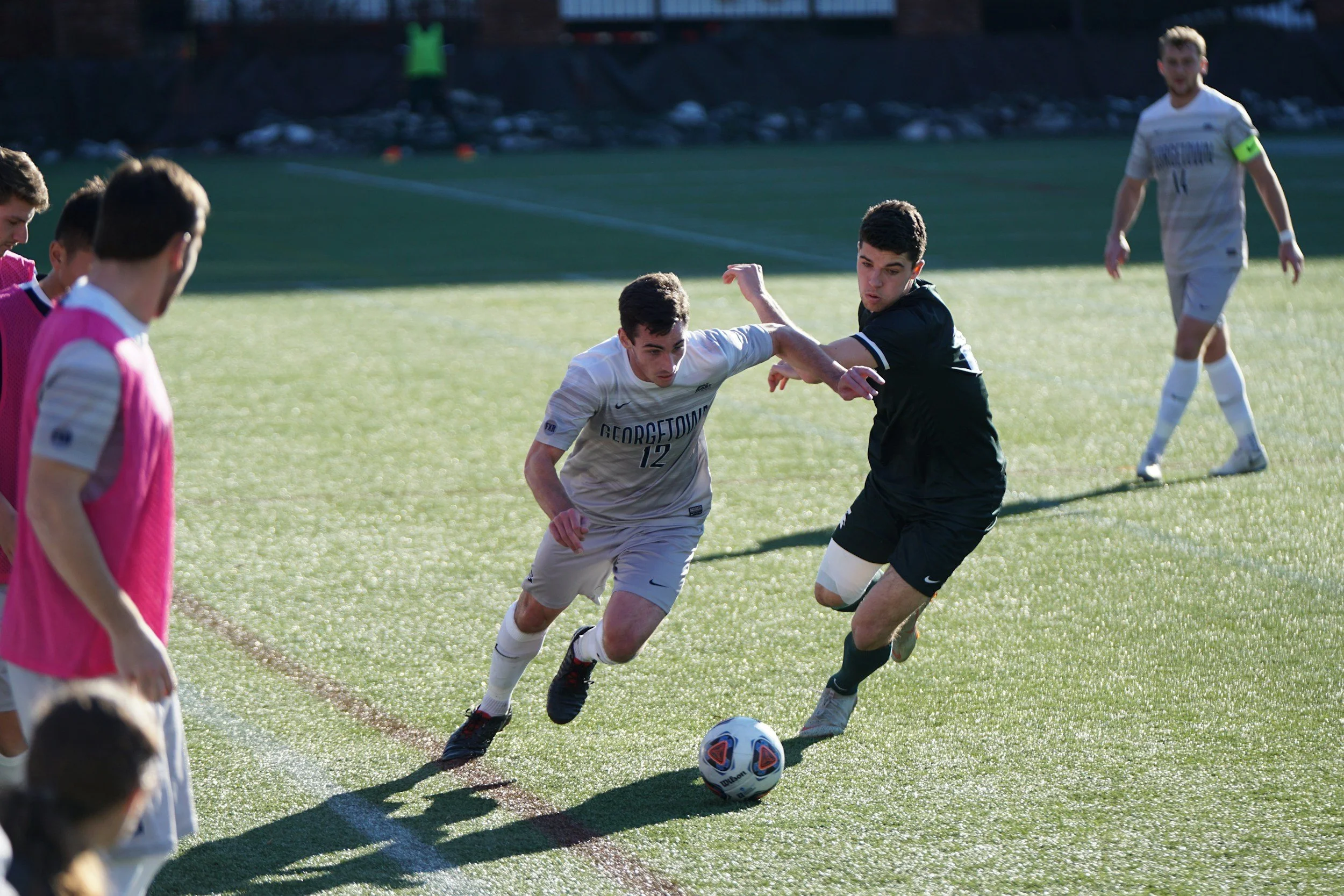
The 360 Athlete: Multi-Directional Fluidity for Soccer
Soccer is played in 'dirty' angles. You aren't just running straight; you are pivoting, lunging, and jumping in a chaotic 360-degree environment. This guide explores the 'Hip Separation' of elite players like Zlatan to help you unlock maximum striking power, prevent the 'Groin Trap,' and dominate 1v1 transitions.

The Armor of Mobility: Why Football Stays Fluid to Stay Powerful
In football, you don't just hit; you absorb. If your hips are locked and your ankles are stiff, you’re essentially playing in a suit of rusted armor. This guide breaks down the 'Power V' mechanics used by All-Pros to maintain leverage, stay low, and deliver strikes without snapping under the pressure.

Mastering the Stretch-Shortening Cycle for Track & Field
Track is a game of millimeters and milliseconds. If your hamstrings are too tight, your stride is truncated; if your ankles are too loose, you lose energy into the ground. This guide explores the 'Elastic Recoil' of elite sprinters and teaches you how to turn your tendons into high-tension springs for maximum ground force production.

Flexibility is Not Passive Rest, but Active Power
Flexibility is not a suggestion; it is a performance metric. If you neglect mobility, you are sacrificing power, inviting injury, and guaranteeing a plateau. Amateurs stretch when they feel tight; Tier One athletes perform deliberate mobility work daily because it is the non-negotiable maintenance required for the machine to operate at 100%.
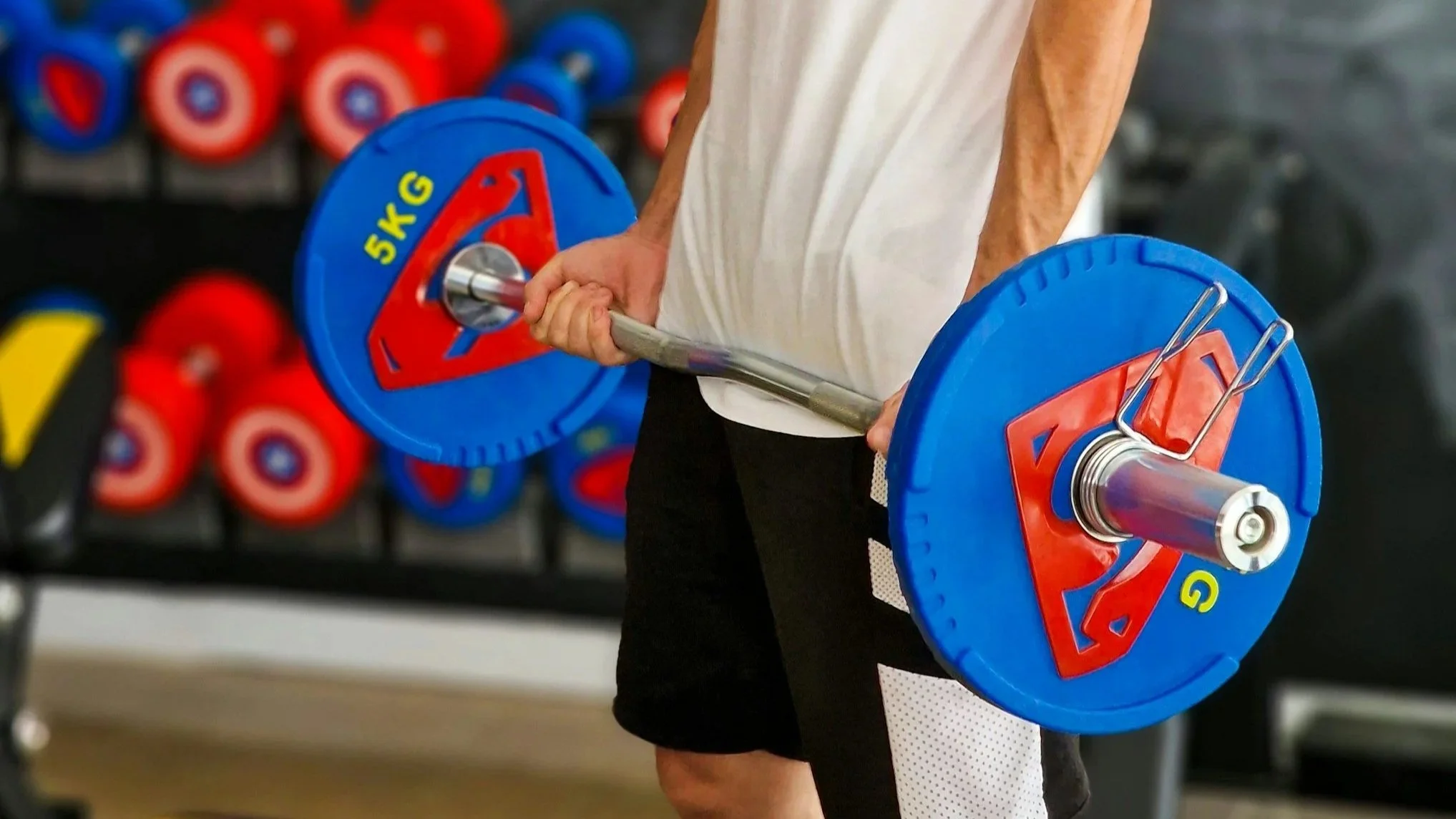
How to Build Explosive Speed: The Weightlifting Guide for Athletes
You don't need to be a powerlifter to be fast. In fact, lifting too heavy might be slowing you down. This guide breaks down exactly how to lift weights to increase explosive power, run faster, and jump higher for soccer, football, and basketball.